Drawing pitbulls can be a powerful way to express appreciation for this remarkable breed, known for its strength, loyalty, and vibrant personality. Whether you’re an aspiring artist or just looking to hone your skills, capturing the essence of a pitbull in your artwork is not only rewarding but also deepens your understanding of these misunderstood dogs.
In this step-by-step guide, you’ll discover techniques to portray their unique features and dynamic expressions, transforming a simple sketch into a stunning representation of their spirit. By learning how to draw pitbulls, you can help shift perceptions and celebrate their place in our hearts and homes. So, grab your sketchbook, and let’s unleash your creativity while diving deeper into the world of pitbulls!
Understanding the Anatomy of a Pitbull Drawing
When embarking on the journey of capturing the essence of a pitbull in your artwork, understanding their anatomical structure is crucial. The pitbull, known for its sleek muscular build and strong, defined features, requires a keen observation of its characteristics to truly bring your drawing to life. Start by studying the basic skeletal structure, which includes the skull shape and the positioning of the limbs. The pitbull’s head is often broad with a distinct squareness, while the body is compact yet powerful, showcasing a blend of agility and strength.
One of the essential aspects of pitbull anatomy involves their muscle definition. Unlike some breeds that may appear more streamlined, pitbulls exhibit a prominent muscularity that is integral to their identity. Pay close attention to the way muscles contribute to the overall shape of the dog. For instance, the emphasis on the shoulders and the neck can denote strength, while the curves along the back and legs reflect athleticism. By sketching the outline first, you can lay the groundwork to ensure proportions are accurate before diving into finer details such as muscle definition and fur texture.
It’s also valuable to observe the pitbull’s movement and how their muscles work dynamically. Watching videos or live examples can provide insight into the way they hold their postures and shift their weight. This observation will help convey energy and life in your drawings, making them feel more realistic. Remember, capturing the anatomy isn’t just about the visible structures; it’s about translating that knowledge into an expression of the breed’s spirit and resilience.
Ultimately, a well-rounded understanding of a pitbull’s anatomy can vastly improve your drawings, enabling you to represent not just the physical attributes but the powerful presence of this beloved breed. By investing time in this foundational knowledge, your art will not only showcase technical skill but will also honor the depth and character of pitbulls.
Choosing the Right Materials for Your Artwork
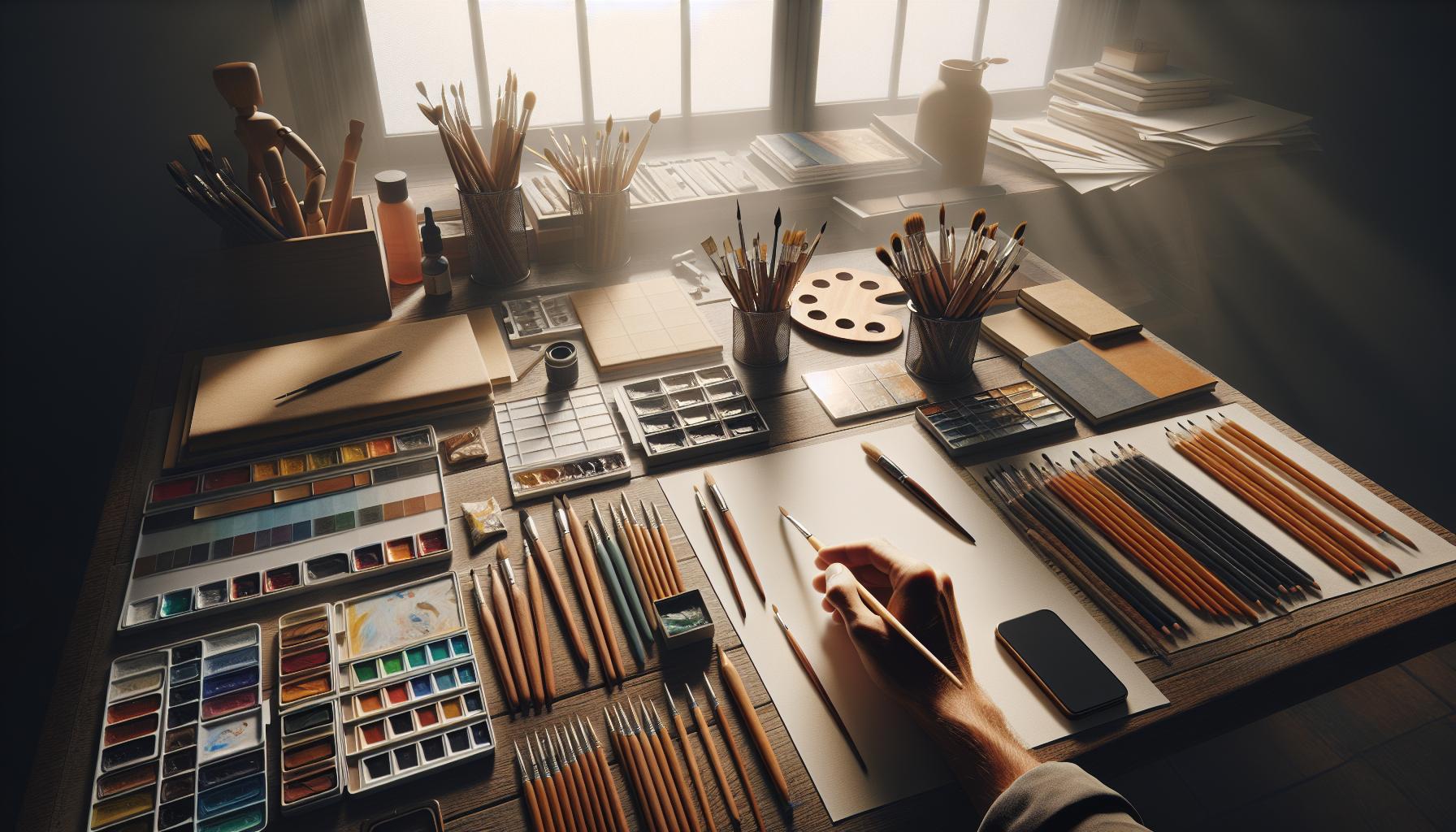
Selecting the appropriate materials for your pitbull artwork can significantly enhance the quality and emotional depth of your drawings. The right tools not only contribute to the overall aesthetic but also aid in the intricate process of capturing the power and spirit of this breed. Whether you’re a seasoned artist or just starting, understanding your options can make a world of difference.
To begin with, consider the type of drawing surface you prefer. Many artists favor heavyweight sketch paper or drawing boards that can withstand multiple erasures and layering of colors. Look for papers that are specifically designed for pencil, charcoal, or pastels, as these will provide a texture that can enhance the detail in your pitbull drawings. If you are working with watercolors or markers, opt for smooth, mixed-media paper which allows for seamless blending.
When it comes to tools, you have a variety of choices. Graphite pencils are a staple for sketching and shading; a range from HB to 8B gives you versatility with both fine lines and deep shadows. Colored pencils also work beautifully when bringing your pitbulls to life. Brands with high pigment content can help you achieve vibrant colors and blend effectively, which is vital for capturing the rich tones often seen in the breed’s coat.
In addition, consider integrating charcoal into your toolkit. It allows for bold strokes and can convey the muscular definition seen in pitbulls. For finishing touches and highlights, white gel pens or posca markers can add that special luminosity to the eyes or fur, infusing your art with emotion and depth. Don’t forget about blending stumps or tissues, which can help to smooth out textures and create depth in your shadows.
Finally, think about your source of inspiration and how that aligns with your material choices. Artists who depict pitbulls in a realistic style may prefer traditional mediums, while those who lean toward abstract representations might experiment with non-traditional materials like acrylics or digital platforms. Whichever materials you choose, remember that the connection between an artist and their subject is what truly inspires powerful artwork, so select what resonates best with you and your vision.
Essential Techniques to Capture Pitbull Muscles
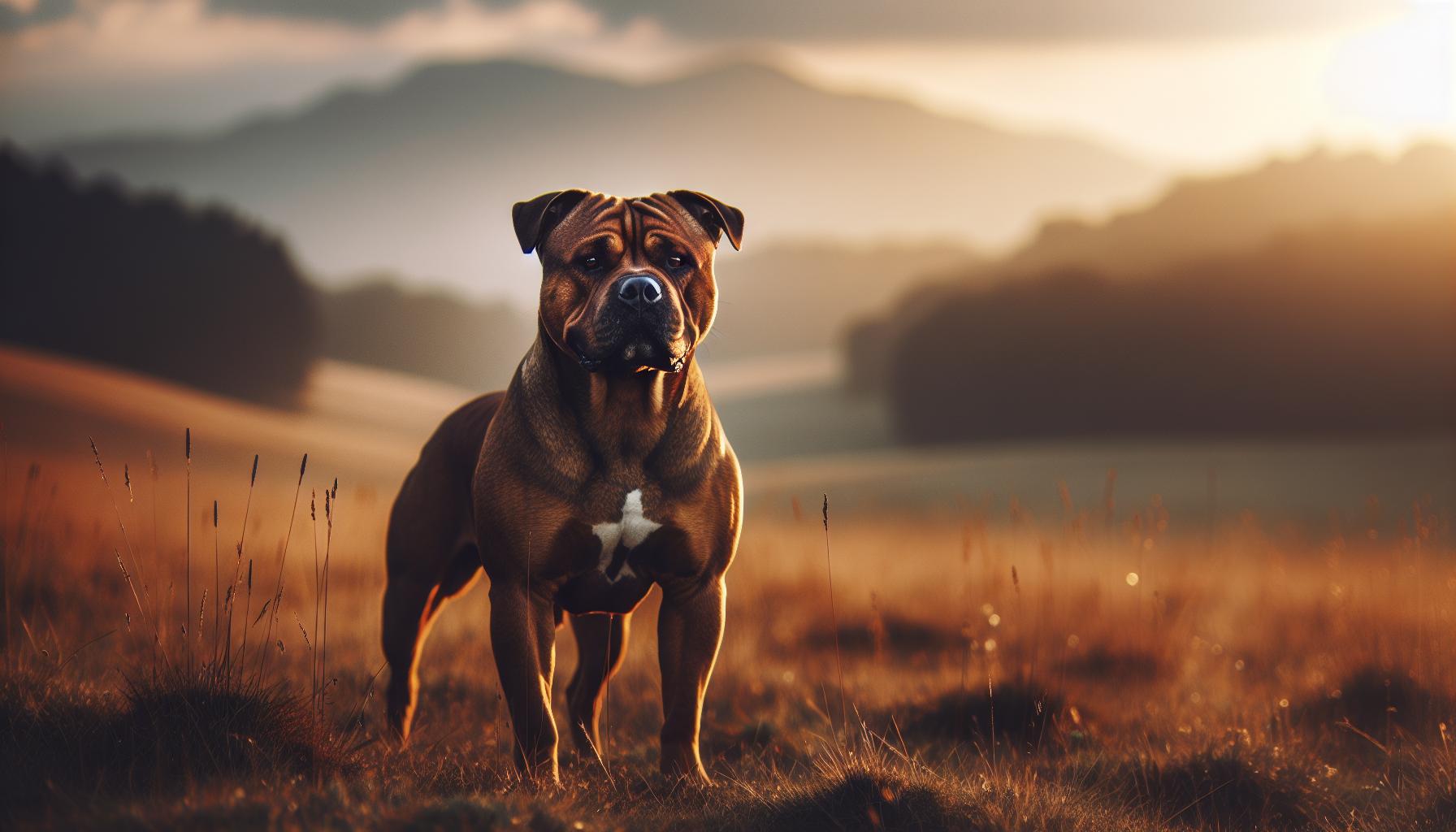
To effectively portray the muscular build of a Pitbull in your artwork, it is essential to understand the anatomy and structure of their physique. This breed, known for its power and athleticism, has specific musculature that you can capture through careful observation and technique. By emphasizing the right areas, you can evoke the strength and determination characteristic of these dogs.
Start by studying references of Pitbulls in various poses to gain insight into their muscle structure. Focus on the shoulders, chest, and hindquarters, which are particularly developed in this breed. Use your reference images to identify how the muscles appear when the dog is in motion versus when it is at rest. Pay close attention to the transitions between muscle groups, as these areas define the tension and flow in the body.
Shading Techniques
Utilizing shading techniques is crucial for demonstrating muscle definition. A few effective methods include:
- Cross-Hatching: This technique involves drawing parallel lines at different angles to create depth and shadow. Apply it along the contours of the muscles to suggest curvature.
- Blending: Utilizing a blending stump or your finger can help smooth out harsh lines, allowing for a more realistic transition between light and shadow.
- Use of Highlights: Leaving areas of your drawing untouched or lightly shaded can create the illusion of shine on well-defined muscles, enhancing the three-dimensionality of your work.
Proportional Accuracy
Ensuring correct proportions is another key factor in showcasing the robust nature of a Pitbull. Start with a basic skeletal framework to maintain proper scale. The head-to-body ratio is critical; typically, you’ll want the head to represent about one-eighth of the height. Use guidelines to mark where the key muscle groups lie, ensuring that each part of the body-especially the legs and torso-appears muscular yet proportionate.
By combining observational skills with technical shading and proportional accuracy, you can successfully convey the power embedded in the physical form of a Pitbull. Each stroke can reflect the vitality and spirit of this beloved breed, allowing you to celebrate their muscular beauty through your art.
Step-by-Step Guide: Drawing a Pitbull Face
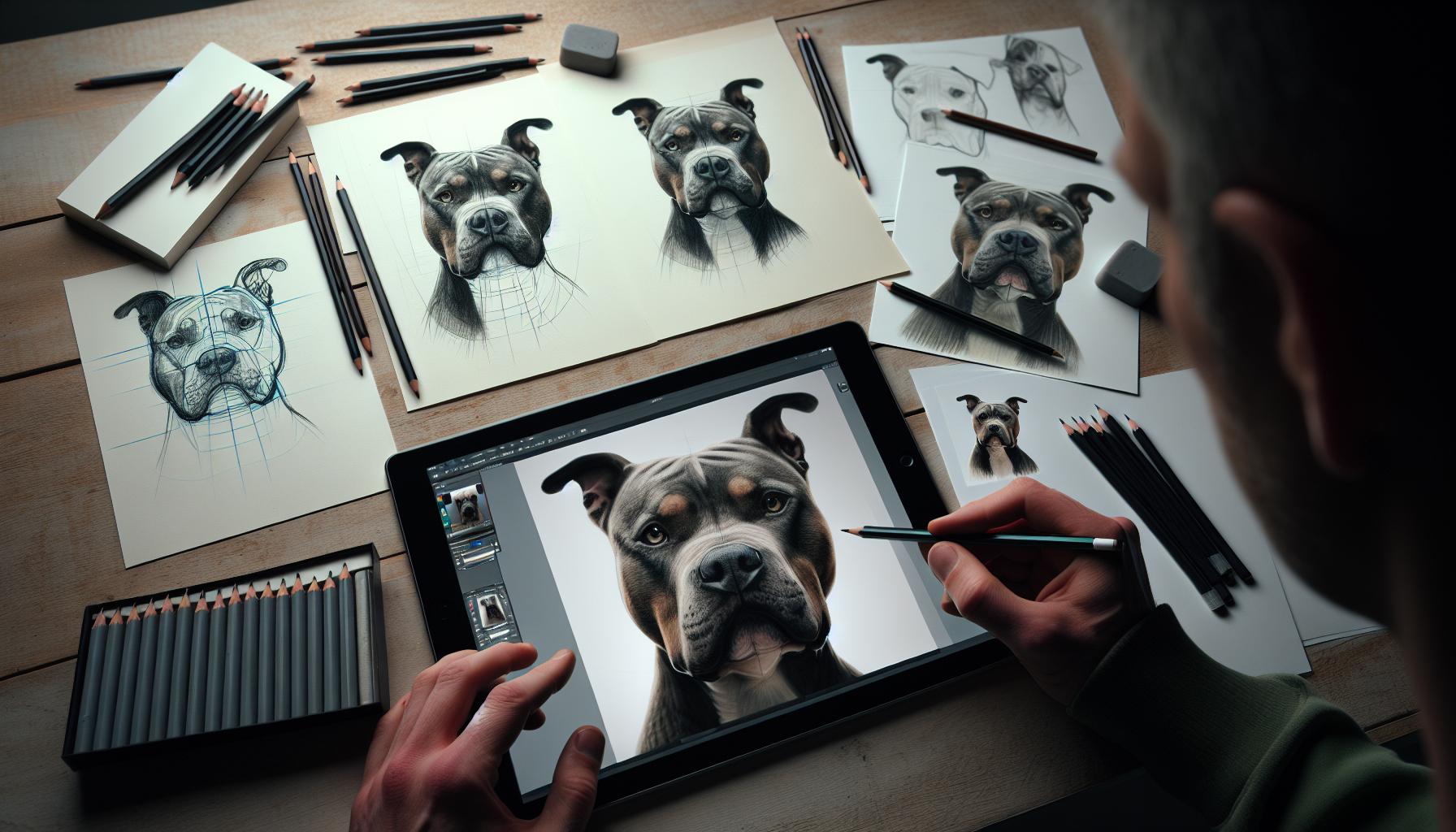
To effectively sketch a Pitbull’s face, start by understanding the unique characteristics that define its fierce yet affectionate expression. The breed is known for its strong jawline, wide forehead, and expressive eyes, which contribute to its overall appearance. Using reference images from various angles can help you capture the essence of a Pitbull while ensuring accuracy in proportions and details.
Begin your drawing by lightly sketching the basic shapes. The head can be formed using a combination of ovals and rectangles to get the proportions right. Focus on the placement of the eyes, nose, and mouth. Pitbulls have a broad skull and a short muzzle, so make sure the width of the head is more pronounced than the length of the snout. A good rule of thumb is to position the eyes about halfway down the head; this helps establish balance in your composition.
Defining Features
Once the basic shape is complete, start refining the outlines to include the defining features of the Pitbull’s face. Pay special attention to:
- Eyes: The eyes should be expressive and slightly slanted. Their shape can convey a range of emotions, from playful to protective.
- Nose: The nose is usually wide and flat, often with a distinctive shape that draws attention. Make sure to give it some texture to depict its moist, leathery surface.
- Mouth: The mouth should reflect the breed’s character, whether it’s slightly closed or open, showing teeth with a friendly demeanor.
As you refine these features, use light strokes to maintain flexibility in reshaping as needed. After you are satisfied with the outlines, add details such as the texture of the fur around the face, the slight folds in the skin, and any distinctive markings that might be present on your chosen reference.
Shading and Highlights
Shading plays a crucial role in giving depth to your drawing. Identify the light source in your image and apply shading accordingly. Use techniques such as:
- Blending: Use a blending stump or cotton swab to smooth out shadows for a more realistic effect.
- Layering: Build up layers of graphite or colored pencils gradually to achieve the desired darkness and texture.
- Highlights: Leave certain areas, such as the eyes and the bridge of the nose, lighter to create contrast and bring life to your drawing.
With dedication and practice, you can create a powerful representation of a Pitbull’s face that celebrates its strength and beauty. Remember, the key is to capture the individuality of the breed while honoring its affectionate nature.
Adding Emotion: Expressive Eyes in Your Drawing
To truly bring your Pitbull drawing to life, focusing on the eyes is essential. The eyes of a Pitbull are not just windows to their soul; they are the focal point of your artwork that can express a myriad of emotions. A well-drawn pair of eyes can convey strength, affection, or alertness, capturing the essence of this beloved breed.
Start by observing the unique shape and size of a Pitbull’s eyes, which are typically almond-shaped and have an expressive tilt. When sketching, use varied pencil pressures to create different textures. For example, use lighter strokes for the eyes’ whites to give them a glossy appearance, suggesting liveliness and alertness. In contrast, the iris should have deeper tones, often ranging from brown to blue, reflecting the dog’s personality. By accurately depicting the color and depth, you can evoke a sense of connection with the viewer.
Adding highlights is another key element in making the eyes pop. Highlights mimic the reflective quality of the eyes and can significantly enhance emotional impact. Position your highlights strategically to correspond with your light source, typically found in the upper part of the eye. This small detail will add dimension, making your drawing feel more dynamic and responsive.
Additionally, consider the context of your drawing to inform the emotional expression of the eyes. A playful look could be captured by raising the brows slightly and widening the eyes, making them appear more inviting. Conversely, if you aim to present a more serious or protective expression, lower the brow and narrow the eyes slightly to convey intensity.
By mastering the art of capturing those expressive eyes, you will not only elevate your drawing but also create a deeper connection with the audience, showcasing the true spirit of the Pitbull. Remember, the eyes have the power to tell stories, so let them convey the strength and love inherent in this remarkable breed.
Coloring Techniques to Highlight Pitbull Features
To bring your Pitbull artwork to life, mastering coloring techniques is essential. The right colors can emphasize the breed’s unique features, highlighting the powerful musculature and expressive nature of these dogs. The use of color not only influences the aesthetic appeal of your drawing but also helps convey emotion and character, making your artwork resonate with viewers.
When selecting colors, consider the natural palette of Pitbulls. Their coats can vary from solid colors to striking patterns, so it’s important to choose shades that reflect this diversity. Start with the base color, applying a lighter shade to lay down a foundation. Gradually build up darker tones to create depth, particularly around areas with muscle definition like the shoulders and thighs. Using colored pencils or markers, layering colors will add richness and realism to your artwork.
Blending Techniques
Blending can enhance the smoothness of a Pitbull’s coat and contribute to the overall dynamism of your artwork. Use blending tools such as tortillons or even your fingers to merge colors softly. This technique is particularly useful in creating highlights and shadows. For instance, when highlighting areas where the light naturally falls, such as the top of the head or back, use a lighter pencil to gently blend in highlights with underlying darker shades.
Capturing Texture and Shine
For the finishing touches, focus on adding texture that reflects the sheen of a well-groomed Pitbull’s coat. White or very light-colored pencils can create spectacular highlights on the fur, particularly if you’re depicting a shiny, short-haired variety. Pay attention to the direction of your strokes; they should follow the natural lay of the fur to achieve a more realistic effect. Furthermore, incorporating small flecks of color, such as hints of brown or cream, can enrich the overall look, giving life to your piece.
Ultimately, don’t shy away from experimenting with colors and techniques. Each Pitbull is unique, and your approach should celebrate that individuality. By employing thoughtful coloring techniques and blending strategies, you’ll be able to create an artwork that not only captures the likeness of a Pitbull but also encapsulates its spirit and beauty.
Common Mistakes to Avoid When Drawing Pitbulls
Capturing the essence of a Pitbull in your artwork can be challenging, especially if you’re not aware of some common pitfalls that artists often encounter. One of the biggest mistakes is not fully understanding the breed’s muscular structure. Pitbulls are known for their strong, athletic build, and failing to accurately depict their muscular proportions can lead to an unrealistic representation. To avoid this, take time to observe photographs and study their body mechanics. A helpful technique is to sketch the basic shapes first, focusing on the general proportions before adding details.
Another frequent error is neglecting the unique features of a Pitbull’s face, such as its short muzzle and wide expression. Many artists get caught up in offering more generic dog features, and this can diminish the individuality of your drawing. To address this, consider focusing on the breed’s distinctive traits. Spend time drawing various references from different angles. Don’t hesitate to exaggerate certain features slightly to convey personality and strength.
Color choices are also critical in breathing life into your drawing, but many artists make the mistake of using a limited palette. Pitbull coats can come in various colors including brindle, fawn, and blue, often with striking patterns. To make your artwork pop, explore a wider variety of hues that match the real-life characteristics of your subject. Additionally, using bright highlights and deep shadows will help create depth and texture, which are especially important in showcasing a Pitbull’s muscular build.
Finally, beware of rushing the final touches. Many newcomers make the error of thinking that the drawing is complete once the main features are in place. However, it’s in the final details where your artwork can truly shine. Focus on enhancing the eyes with expressive highlights, adding subtle details to the coat texture, and ensuring that the overall contrast is striking. Taking that extra time will not only enhance the realism of your drawing but also reflect the affection and admiration you have for this wonderful breed.
By being mindful of these common mistakes, you can elevate your pitbull drawings from ordinary to extraordinary, celebrating the breed’s strength and beauty in every stroke.
Sharing Your Art: Online Communities and Resources
Sharing your artwork online can be an immensely rewarding experience, connecting you with fellow artists and pitbull enthusiasts who share your passion. Utilizing online communities not only allows for feedback on your art but also fosters a broader appreciation for pitbulls as a breed. Whether you’re looking for critique, inspiration, or simply a supportive space, various platforms cater to these needs.
One popular community for artists is DeviantArt, which offers extensive forums and galleries where you can showcase your pitbull drawings. You can find groups focused on pet art specifically, allowing you to connect with others who appreciate the breed’s unique beauty. In addition, platforms like Instagram serve as excellent visual showcase spaces. By using hashtags such as #PitbullArt, you can reach a wide audience while discovering other artists who inspire you.
Don’t overlook sites like Facebook where many dedicated groups exist for pitbull lovers and artists alike. These groups often host art challenges, competitions, and themed showcases which can motivate you to create and share more frequently. Furthermore, Pinterest can be a treasure trove of inspiration, with countless boards dedicated to pitbull artistry, breed characteristics, and techniques.
Finally, consider exploring art-centric websites such as ArtStation or Behance, where you can build a professional portfolio and engage with a worldwide community of creators. Sharing your art isn’t just about showcasing your work; it’s an opportunity to educate others about the breed you love. You can promote responsible ownership and appreciation for pitbulls through the stories and messages behind your art, making your contributions even more meaningful.
Together, these resources can turn your passion for pitbulls and art into a vibrant part of larger conversations about the breed, fostering connections and goodwill in the process.
Inspiration: Famous Pitbull Artists and Their Styles
Artistic expression often stems from a deep connection to the subject, and when it comes to portraying pitbulls, this connection is powerfully illustrated through the work of renowned artists in this niche. Among these creatives, you’ll find notable individuals whose unique styles not only capture the physical essence of pitbulls but also celebrate their spirited nature and complexity as companions.
One such artist is Megan L. Smith, whose vibrant portraits focus on the emotional depth of pitbulls. Her technique often combines bold colors with striking contrasts, allowing the viewer to feel the personality of the dog as much as see it. Smith encourages aspiring artists to embrace their personal style rather than replicate others, fostering individuality in each piece. She emphasizes the importance of connecting with the pitbull, observing their behavior, and reflecting that in art for a more authentic representation.
Another influential figure is Eric S. Pankey, known for his hyper-realistic drawings that showcase the muscular build and expressive features of pitbulls. His attention to detail transforms every drawing into a lifelike representation, often incorporating backgrounds that tell each dog’s story. Pankey’s work serves as an inspiration for artists looking to develop their skills in realism. He frequently advocates for understanding breed characteristics, suggesting that artists research the subtle variations in fur texture and body types to enhance their creative projects.
For those seeking inspiration, exploring the diverse styles of these artists can spark new ideas.
Tips for Finding Your Artistic Voice
- Study the Work: Review the techniques of well-established artists. Notice how they handle textures and colors.
- Connect with Your Subject: Spend time with pitbulls to observe their movements and expressions; this will inform your artwork.
- Experiment: Don’t be afraid to mix styles or create something entirely new that reflects your personal vision.
These artists not only contribute to the world of pitbull art but also advocate for responsible pet ownership, shining a light on the breed’s positive attributes. Their work is a testament to the beauty and strength of pitbulls, helping to shift perceptions about the breed while encouraging a deeper appreciation through art. By emulating their passion and dedication in your own work, you not only celebrate pitbulls but also become part of a larger movement that values these incredible dogs as loving companions.
Exploring Different Styles: Realism vs. Abstract
Choosing between realism and abstract styles in your pitbull artwork can significantly influence how you convey the breed’s spirit, personality, and uniquely muscular physique. Realism focuses on accurately capturing the dog’s anatomy, fur texture, and expressive features, often resulting in a lifelike portrayal that resonates emotionally with viewers. Artists like Eric S. Pankey exemplify this approach through their meticulously detailed renderings, where each muscle line and fur strand tells part of the dog’s story. If your goal is to showcase the breed’s strength and energy, realism allows for a detailed and intimate connection that can deeply engage an audience.
On the other hand, abstract art invites you to explore the essence of the pitbull without strictly adhering to its physical form. This style emphasizes color, shape, and emotion over accuracy, offering a dynamic way to express the breed’s character. Megan L. Smith, for instance, utilizes vibrant colors and bold contrasts to evoke the emotional depth of pitbulls, suggesting energy and personality rather than merely replicating their appearance. This approach can be liberating for artists who want to express their personal feelings about pitbulls, allowing for creative freedom that traditional realism might inhibit.
When deciding on a style, ask yourself what you want to express about the pitbull. If you aim to educate or promote appreciation for the breed’s physical attributes, realism might be your best choice. However, if your goal is to evoke emotion or challenge perceptions of the breed, an abstract approach could resonate more powerfully. Remember, you can also blend elements of both styles. Many artists find that combining realism with abstract techniques can lead to distinctive works that capture the complexity of these beloved dogs while showcasing your unique artistic voice.
Incorporating both styles into your practice not only provides diversity in your portfolio but also enriches your visual storytelling. Start by experimenting with various techniques, gathering feedback from peers, and continually refining your approach. This exploration will enhance your understanding of how different styles can transform the perception of pitbulls in art, ultimately contributing to a greater appreciation for these remarkable animals.
Caring for Your Pitbull: A Connection Beyond Art
While creating art can be a profound way to celebrate the majestic pitbull, caring for these dogs is where the real connection begins. Understanding the needs of your pitbull fosters a bond that deepens your appreciation for this incredible breed and informs your artistic expression. These dogs are not just subjects; they are companions filled with energy, loyalty, and personality that can inspire your work and resonate with your audience.
Pitbulls thrive on exercise, socialization, and mental stimulation, which you can integrate into your routine to strengthen your relationship. Activities such as daily walks, playtime at the park, or interactive games will not only keep your dog healthy but can also serve as candid moments for sketching and capturing their vibrant spirit. As you observe their behavior and energy in various settings, you gather invaluable insight that enhances your artistry and informs the nuances of their depiction in your drawings.
Moreover, understanding the genetics and health needs of pitbulls can further enrich your art. Knowing about common breed health issues such as hip dysplasia or skin allergies allows you to portray them with empathy and realism. Highlighting their resilience through art can foster awareness and promote responsible ownership, encouraging others to see the beauty and strength that lies within these misunderstood dogs.
Ultimately, the connection you cultivate with your pitbull extends beyond mere companionship; it reflects in every stroke of your brush or pencil. Sharing your art with others not only celebrates this special breed but also advocates for their well-being and understanding in a world where they often face stigma. By combining your passion for art with responsible ownership, you champion the loving, powerful spirit of pitbulls, encouraging a narrative that emphasizes their strength and heart both on the canvas and in life.
Promoting Responsible Ownership Through Your Artwork
Artistic expression can play a pivotal role in promoting responsible ownership and a deeper understanding of pitbulls. As you create artwork that showcases their strength, loyalty, and unique personality, you have an opportunity to educate your audience about this often-misunderstood breed. Through your drawings, you can challenge stereotypes and foster an appreciation for pitbulls that goes beyond surface appearances.
By incorporating elements of pitbull care and training into your artistic narrative, you emphasize the importance of responsible pet ownership. This can take shape in various forms, such as depicting healthy, active dogs engaged in play or training scenarios. You might consider featuring stories or testimonials alongside your artwork that highlight how nurturing relationships between pitbulls and their families lead to well-adjusted, happy pets. Sharing research on topics like breed behavior, health care, and training techniques can also provide valuable context for your creations.
Another way to advocate through your art is by drawing attention to initiatives that support animal welfare and pitbull advocacy. You could collaborate with local shelters or rescue organizations, showcasing adoptable pitbulls in your work or donating a portion of your sales to support their causes. Engaging in community art events centered around responsible pet ownership can also create dialogue, helping to demystify myths about pitbulls while fostering connection among pet owners and enthusiasts.
Ultimately, your artwork can serve as a bridge to greater awareness and empathy for pitbulls. By portraying their true nature and the joys they bring as companions, you contribute to a narrative that encourages responsible ownership and celebrates the unique bond between humans and their beloved pets.
Frequently Asked Questions
markdown
Q: What is the best way to start a Pitbull drawing?
A: To start a Pitbull drawing, begin with basic shapes to outline the body and head. Focus on proportions before adding details like muscles and facial features. This foundational approach simplifies the process and allows for adjustments as you refine your drawing.

Q: How can I make my Pitbull drawing look more realistic?
A: To enhance realism in your Pitbull drawing, pay attention to anatomy and shadowing. Use reference images to accurately capture fur texture, muscle definition, and unique facial features. Additionally, incorporate soft shading techniques to simulate depth and light effects for a lifelike appearance.

Q: What materials are recommended for drawing a Pitbull?
A: Recommended materials include quality drawing paper, graphite pencils for sketching, and colored pencils or markers for adding color. Consider using blending tools for smooth transitions in shading. Using high-quality materials will improve the overall outcome of your artwork and enhance your experience.

Q: How can I add emotion to my Pitbull drawing?
A: To evoke emotion in your Pitbull drawing, focus on the eyes and facial expressions. Use techniques like varying line thickness and incorporating light reflections in the eyes to convey personality. This makes the drawing more engaging and can help tell a story through the art.

Q: Are there specific techniques for drawing a Pitbull's muscles?
A: Yes, essential techniques include studying dog anatomy to understand muscle groups. Use reference images to capture the shape and placement of muscles. Utilizing hatching and shading techniques effectively can highlight muscle definition and enhance the overall strength of your drawing.

Q: What are common mistakes to avoid when drawing Pitbulls?
A: Common mistakes include neglecting proportions and anatomy, which can lead to unrealistic representations. Overlooking details, especially in facial features and body structure, can also diminish the artwork's quality. Regular practice and critique can help identify and improve these areas.

Q: How can online communities support my Pitbull drawing journey?
A: Online communities offer valuable feedback, inspiration, and resources for your Pitbull drawing. Participating in forums or social media groups focused on art allows you to connect with other artists, share your work, and learn from experienced members, thus enhancing your skills and motivation.

Q: What styles can I explore when drawing Pitbulls?
A: When drawing Pitbulls, explore styles like realism, abstract, or cartoon. Each style offers unique ways to interpret the breed's character. Experimenting with different techniques will not only broaden your artistic skills but also help you discover your personal style in animal drawing.
To Wrap It Up
As you wrap up your journey through “Pitbull Drawing: Step-by-Step Guide to Capture Their Power,” remember that mastering this art is not just about skill; it’s about celebrating the unique spirit of these incredible dogs. You’ve learned techniques that allow you to portray their strength and grace, now it’s time to put that knowledge into action! Don’t hesitate-grab your materials and start drawing; every stroke brings you closer to capturing their essence.
For more tips on developing your artistic skills, check out our guides on shading techniques and color theory. And if you’re looking for inspiration, browse our collection of stunning Pitbull art to spark your creativity. Join our community by signing up for our newsletter for exclusive content and updates-it’s the perfect next step in your artistic journey.
Your voice matters, so share your thoughts in the comments or show off your creations in our forums! Together, let’s appreciate the beauty of Pitbulls and elevate your art to new heights. Keep exploring and stay passionate; amazing pieces await your discovery!
Get our latest guides, news, and insights highlighted in your Google Search & AI Overviews.