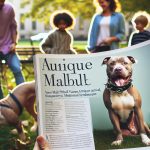
Understanding your dog’s breed mix can be vital for their health, training, and well-being. If you suspect your furry friend is a Pitbull Lab mix, you’ll want to learn how to confirm this. Both Pitbulls and Labs are known for their loyal and friendly nature, but distinguishing their characteristics can often be tricky. Not only will identifying the mix help you tailor your dog’s care, but it will also deepen your bond with them. Are you curious about the unique traits that define a Pitbull Lab mix? This guide will walk you through essential features and behaviors, providing you the insights needed to celebrate your dog’s lineage while ensuring their needs are met. Let’s dive in and explore the fascinating world of your canine companion!
Understanding the Pitbull Lab Mix: Key Characteristics

When considering a dog that may be a Pitbull Lab mix, understanding the key characteristics is essential. This hybrid breed combines the friendly, loyal nature of Labradors with the alertness and courage of Pitbulls, creating a companion that is both playful and protective. If you find yourself wondering whether your dog fits this mix, knowing what to look for can help clarify its lineage.
The physical traits of the Pitbull Lab mix are typically striking, often reflecting the unique blend of its parent breeds. You can expect a sturdy, well-built dog that averages between 30 to 80 pounds at maturity. Their coat is generally short and dense, making grooming relatively low-maintenance. Colors can vary widely, including black, brown, brindle, and even variations with white patches. Their ears can take on different shapes but often hang down, contributing to their expressive face.
Behaviorally, Pitbull Lab mixes tend to inherit the best of both worlds. They are known for being intelligent and eager to please, which makes them highly trainable. It’s not uncommon for these dogs to exhibit a friendly disposition with families, children, and even strangers, depending on their socialization experiences. Early training and exposure are vital, as these dogs thrive on interaction and mental stimulation, preventing unwanted behaviors often rooted in boredom.
In summary, identifying a Pitbull Lab mix involves examining a blend of physical features and behavioral traits that reflect its notable parentage. These dogs, with their charming personalities and loyalty, make excellent companions for a variety of lifestyles, provided they receive the care and attention they need to flourish.
Distinct Physical Features of Pitbull Lab Mix

The Pitbull Lab mix is a fascinating crossbreed, visually captivating and sturdy in build. Recognizing the distinct physical features of this hybrid can help you identify whether your dog is indeed a Pitbull Lab mix. Generally, these dogs exhibit a well-muscled frame that reflects both the agility of the Pitbull and the robustness of the Labrador Retriever. Their average weight ranges from 30 to 80 pounds, making them versatile companions suitable for various living environments.
The coat of a Pitbull Lab mix is typically short and dense, which not only adds to their striking appearance but also makes grooming relatively straightforward. You may find a variety of colors among these mixes, including solid shades like black, chocolate, or yellow, as well as brindle patterns and combinations with white patches. Their ears can be another clue in identifying their lineage; while they often hang down in a relaxed position, some may have slightly erect or semi-erect ears, adding to their expressive facial features.
One fascinating aspect of these dogs is their eyes, which can vary in color, from deep brown to lighter hues, often reflecting an inquisitive and friendly demeanor. This blend of features not only showcases their genetic heritage but also contributes to their unique personalities. Understanding these physical characteristics is essential for responsible ownership and proper care, ensuring your Pitbull Lab mix receives the attention and love they deserve.
Behavior Traits: The Personality of Your Pitbull Lab Mix
The delightful blend of two distinct breeds, the Pitbull and Labrador Retriever, results in an incredibly dynamic and loving companion. If you find yourself lucky enough to welcome a Pitbull Lab mix into your life, you will soon discover that their personality traits reflect a rich combination of loyalty, intelligence, and playfulness. This hybrid dog tends to inherit the best qualities from both parent breeds, making them a favorite for families and active individuals alike.
Pitbull Lab mixes are known for their friendly and affectionate nature. They thrive on human interaction and are often eager to please, making them highly trainable pets. You may notice that your mix has a boundless enthusiasm for play, whether it’s fetching a ball at the park, swimming in a pool, or going for a hike. Their energy levels are generally high, and they benefit from regular physical activity to keep both their bodies and minds stimulated.
Socialization is crucial for a Pitbull Lab mix. Early and consistent exposure to different people, pets, and environments helps them develop into well-rounded dogs. They typically do well in family settings, often displaying patience and gentleness with children. Despite their strong and sturdy appearance, these dogs are known for their adaptability, often forming close bonds with all members of the household.
However, it’s important to be mindful of their ancestry; while both breeds are generally known for their friendly demeanor, individual temperament can vary. Providing them with positive reinforcement training and plenty of mental challenges will help in channeling their natural instincts productively, ensuring they grow up balanced, happy, and well-adjusted. By understanding the behavior traits of your Pitbull Lab mix, you set the stage for a rewarding partnership filled with love, laughter, and companionship.
Recognizing the Common Color Patterns and Coat Types

Recognizing a Pitbull Lab mix can be an exciting journey, especially since these dogs can boast a variety of colors and coat types that reflect their unique heritage. Understanding these identifying features can help you distinguish them and appreciate the beauty of this hybrid breed.
Pitbull Lab mixes typically have a short, dense coat that can come in a variety of colors. Common hues include shades of black, brown, and yellow, resembling their Labrador parentage. Additionally, they may have patterns such as brindle and merle, which are often seen in Pitbulls. Pay attention to any white markings that may appear on their chest, paws, or face, as these can add to their distinctive look. The combination of colors and patterns can vary significantly among individuals, making every Pitbull Lab mix uniquely beautiful.
The texture of their coat is often short and smooth, which not only gives them an attractive appearance but also requires low maintenance. Regular brushing will help reduce shedding and keep their coat healthy and shiny. While the Pitbull typically has a muscular and stocky build, the Labrador’s influence may soften these features, resulting in a balanced physique that is both strong and agile. You might also notice they have a broad head, prominent muzzle, and strong, defined jaw-traits inherited from both parent breeds.
To get a clearer picture of what to expect, here’s a quick comparison table of common coat types and colors seen in Pitbull Lab mixes:
| Coat Color | Common Patterns | Example Traits |
|---|---|---|
| Black | Solid, Brindle | Shiny coat, strong build |
| Chocolate Brown | Solid, Spotted | Rich color, affectionate nature |
| Yellow/Gold | Solid, Sable | Friendly demeanor, playful spirit |
| White | Patchy, Spotted | Gentle appearance, often with blue eyes |
| Brindle | Mixed, Tiger Stripe | Striking contrast, unique patterns |
By embracing the vibrancy of your Pitbull Lab mix’s appearance, you can appreciate the range of colors and patterns that make them truly special. Whether you’re caring for their coat or simply enjoying their energetic spirit, recognizing these traits is just one way to celebrate the unique combination of these two beloved breeds.
Health Considerations for Pitbull Lab Mixes
A responsible dog owner knows that maintaining your Pitbull Lab mix’s health is paramount to enjoying a long, happy life together. This hybrid breed is generally hearty, but like any dog, they do face specific health challenges that potential owners should be aware of. Being informed can help you take proactive steps to ensure your dog thrives.
Pitbull Lab mixes often inherit potential health issues from both parent breeds. Common concerns include hip dysplasia, elbow dysplasia, and certain skin conditions. Regular veterinary check-ups are critical to detect any early signs of these conditions. Remember, maintaining a healthy weight is vital; overweight dogs can experience exacerbated joint problems, especially as they age. Ensuring that your dog gets ample exercise along with a balanced diet will support their overall health and help mitigate these risks.
Another important aspect of health care for your Pitbull Lab mix is dental hygiene. Neglecting your dog’s teeth can lead to serious health issues, including infections that can affect their heart and kidneys. A vet-recommended dental plan, including regular cleanings and at-home brushing, can prevent such problems. Furthermore, ensure your dog is up-to-date on vaccinations and parasite prevention to safeguard against illnesses that can threaten their well-being.
By being proactive about health concerns and understanding the specific needs of your Pitbull Lab mix, you can strengthen their bond with you and enhance their quality of life. Sharing your journey of care will deepen your relationship while ensuring that your furry friend lives a vibrant and healthy life.
Nutrition Tips for a Healthy Pitbull Lab Mix
Providing the right nutrition for your Pitbull Lab mix is essential to ensure they lead a healthy and robust life. These dogs are known for their high energy levels and playful demeanor, which necessitates a well-balanced diet tailored to their unique needs. Understanding their nutritional requirements can help you make informed decisions about what to feed your furry friend.
A high-quality, protein-rich diet is fundamental for your Pitbull Lab mix. Look for dog food that lists real meat such as chicken, beef, or fish as the primary ingredient. Proteins are crucial for building and maintaining muscle, especially because these dogs can be quite active. Additionally, incorporating fruits and vegetables can provide necessary vitamins and minerals. Foods like sweet potatoes, carrots, and blueberries not only enhance their diet but also support their overall health and immune system.
When feeding your dog, it’s important to control portion sizes to maintain a healthy weight. Both Pitbulls and Labs can be prone to obesity if not monitored carefully. To help with this, consider the following:
- Adjust Portions: Follow the feeding guidelines on the dog food packaging based on your dog’s weight and activity level.
- Regular Feeding Schedule: Divide their meals into two or three portions throughout the day to manage hunger and energy levels.
- Hydration: Always provide fresh water, especially if you’re feeding dry kibble, to keep your dog hydrated.
Moreover, be cautious with dog treats. While they are great for training and rewarding your canine companion, they can also add unnecessary calories. Opt for healthy, low-calorie treats that support your dog’s nutritional goals. You might also consider incorporating homemade treats using simple ingredients like oats and peanut butter.
Understanding and meeting the nutritional needs of your Pitbull Lab mix will not only promote their physical health but also contribute to their overall happiness and quality of life. Take the time to research and possibly consult with your veterinarian to ensure you’re making the best dietary choices for your beloved pet.
Training Techniques for Pitbull Lab Mix Success
Training a Pitbull Lab mix can be an incredibly rewarding experience, as these dogs are known for their intelligence and eagerness to please. With the right approach, you can harness their natural abilities to ensure they grow into well-behaved and happy companions. Consistency and positive reinforcement are key strategies in any successful training regimen.
To start, establish a clear training routine. Your Pitbull Lab mix thrives on structure, so set aside dedicated time each day for training exercises. Focus on basic commands such as sit, stay, and come, using short, engaging sessions that hold their attention. Incorporate high-value treats or favorite toys as rewards to reinforce good behavior. For example, if your dog follows a command correctly, immediately offer praise and a treat. This positive association helps solidify the behavior in their mind.
Socialization is another crucial element of training-expose your Pitbull Lab mix to various environments, people, and other animals early on. This exposure not only helps them become more adaptable but can also mitigate any potential behavioral issues related to anxiety or fear. Consider enrolling in a puppy training class or group play sessions, where they can learn to interact appropriately with others.
Lastly, be patient and flexible in your training approach. Each dog is unique and may respond differently to various techniques. If you notice that a certain method isn’t working, feel free to experiment with different training styles. Continuously engage with your dog and celebrate their progress, no matter how small. This supportive environment fosters a strong bond between you and your Pitbull Lab mix, making training a fun and shared journey. Remember, a well-trained dog is not just obedient but also confident and socially balanced, enhancing the overall quality of life for both of you.
Socialization Needs for Your Pitbull Lab Mix
Your Pitbull Lab mix is a unique blend that requires thoughtful socialization to bloom into a well-rounded companion. These dogs are known for their social nature and can thrive in environments where they feel secure and engaged with both people and other animals. Early socialization is essential; exposing your puppy to various experiences, sights, sounds, and smells can significantly influence their behavior as adults. From bustling parks to quiet neighborhoods, each new experience helps to build their confidence and adaptability.
One effective strategy is to arrange playdates with other dogs and interact with different breeds. This not only teaches your Pitbull Lab mix the nuances of canine etiquette but also helps mitigate potential aggression or fear-based behaviors. Incorporating group training classes is another excellent method; these controlled environments allow your dog to learn to focus amidst distractions while also meeting new friends. Remember, exposure should never be overwhelming; it’s about gradually expanding your dog’s comfort zone.
In addition to interactions with other dogs, socializing your Pitbull Lab mix with various people is crucial. Friends, family, and even strangers can help create a more balanced demeanor in your dog. Encourage positive interactions and always reward calm behavior. Additionally, integrating your dog into different settings-such as busy streets, markets, or dog-friendly cafes-will help them adjust to the nuances of daily life.
Lastly, patience is your best ally. Each Pitbull Lab mix responds to socialization differently, and positive reinforcement is key. Celebrate small victories, and create a welcoming and enriching environment. This commitment to socialization not only enhances your dog’s quality of life but also strengthens the bond you share, turning everyday interactions into joyful experiences.
Age-Related Care for Pitbull Lab Mixes
As your Pitbull Lab mix grows, their care requirements evolve significantly. Understanding the specific needs at each life stage helps ensure that your dog remains healthy and happy, but it also strengthens the bond you share. From the puppy phase, which is a critical time for socialization and training, to the senior years when health issues may arise, each age brings unique challenges and joys.
Puppy Stage (0-1 year)
During the puppy stage, your Pitbull Lab mix is energetic and curious, making it an ideal time for socialization and foundational training. Focus on exposing them to various environments, sounds, and people to foster a well-adjusted temperament. Proper nutrition is also essential; opt for high-quality puppy food rich in protein to support their growth. Regular vet check-ups during this stage are crucial for vaccinations and to monitor their development. This period of their life is foundational, so consistent positive reinforcement will help lay the groundwork for good behavior.
Young Adult Stage (1-5 years)
As your dog transitions into young adulthood, their energy levels typically peak. Engage them with regular exercise-think daily walks, play sessions, and mental stimulation such as puzzle toys. This age is crucial for reinforcing training and socialization. Keep their diet balanced, considering their activity level to prevent obesity, which can significantly impact joint health. Regular veterinary visits will help catch any developing issues early, as this breed can be prone to certain health concerns like hip dysplasia or skin allergies.
Senior Stage (5+ years)
When your Pitbull Lab mix reaches the senior stage, their needs will shift. You may notice a decrease in energy and changes in mobility. Nutrition becomes even more vital; consider switching to senior dog food that supports joint health and is easy to digest. Regular veterinary visits should include discussions about their diet and potential health issues, such as arthritis, heart conditions, or hearing loss. Implement gentle exercise to keep them active while respecting their limits.
In Summary
Every stage of your Pitbull Lab mix’s life presents different challenges and opportunities. By understanding these age-related needs, you can provide a loving and supportive environment. This attention to their requirements not only keeps them physically healthy but also enriches their emotional well-being, allowing you to enjoy many years of companionship together.
Comparing the Pitbull Lab Mix with Other Breeds
When exploring the unique characteristics of a Pitbull Lab mix, it’s essential to compare them with other breeds to understand what makes them special. The blend of the energetic and loyal Pitbull with the friendly and intelligent Labrador Retriever results in a dog that embodies the best qualities of both parent breeds. However, how does your Pitbull Lab mix stack up against other mixed breeds or even purebreds?
A quick glance at the comparison reveals that the Pitbull Lab mix often showcases a robust physicality similar to breeds like the Boxer or Rottweiler, with a stocky build and strong muscles. Yet, they usually possess the expressive eyes and friendly demeanor of a Lab, distinguishing them from breeds that might have a more reserved temperament.
In terms of behavior, the Pitbull Lab mix typically excels in adaptability and friendliness, traits that can be observed when compared to breeds like the Beagle or Bulldog. While Beagles are known for their scent-tracking skills and may exhibit stubbornness, Pitbull Labs are generally eager to please and respond well to training. Conversely, Bulldogs, while loving, might not engage in play as energetically as a Pitbull Lab, making the latter more suitable for active families.
Key Characteristics Comparison
| Characteristic | Pitbull Lab Mix | Beagle | Bulldog |
|---|---|---|---|
| Energy Level | High | Medium | Low |
| Trainability | High | Medium | Low |
| Temperament | Friendly and Loyal | Curious and Gentle | Calm and Composed |
| Size | Medium to Large | Small to Medium | Medium |
The distinct combination of breeds results in a companion that is not only energetic but also highly trainable, making them well-suited for various environments, from active households to more relaxed settings. Overall, understanding these comparisons helps appreciate the diversity within dog breeds and can guide potential owners in making informed decisions about pet ownership, ensuring a perfect match for both the dog and their new family.
Common Misconceptions about Pitbulls and Labs
Common myths about Pitbulls and Labradors often cloud public perception, leading to misunderstandings about their nature and temperament. One prevalent myth is that all Pitbulls are inherently aggressive. In reality, temperament is heavily influenced by training, socialization, and individual personality rather than breed alone. Pitbull Lab mixes, inheriting traits from both parent breeds, can be incredibly friendly and loving, especially when raised in a nurturing environment. These dogs thrive on positive interactions and can be gentle companions when treated with care and respect.
Another misconception is that Labradors are less protective than Pitbulls. While Labradors are well-known for their friendly disposition, they can be excellent guardians for their families, especially if they feel their loved ones are threatened. A Pitbull Lab mix can embody the loyalty and watchdog instincts of both breeds, making them not only affectionate family pets but also vigilant protectors.
Additionally, some people believe that mixed-breed dogs, especially those that combine breeds with differing reputations, are less predictable in behavior. However, the diverse genetic makeup of a Pitbull Lab mix can actually lead to a balanced temperament, often combining the intelligence and eagerness to please from the Labrador with the resilient and loyal nature of the Pitbull. Properly trained and socialized, these dogs can showcase a wonderful blend of traits that make them adaptable to various household environments.
When considering ownership of a Pitbull Lab mix, it’s essential to look beyond stereotypes and focus on their individual characteristics and the kind of care they require. Misunderstandings can often lead to the neglect of these wonderful dogs who have so much love to offer. By educating ourselves and others, we can foster a more informed and compassionate community of dog lovers.
Celebrating the Pitbull: Cultural Impact and Representation
The Pitbull has long been a figure of both admiration and controversy in our culture, often remembered for their loyalty and courage yet misunderstood due to negative stereotypes. This breed, particularly in the form of a Pitbull Lab mix, represents the beautiful blend of two loving and intelligent breeds. They are not just pets; they hold a significant place in the hearts of many families and have been featured prominently in media, art, and even social justice movements advocating for animal rights.
Through history, Pitbulls were seen as all-around companions, known for their strength and affection. In times of war, they served valiantly alongside soldiers, embodying bravery and loyalty. Today, this cultural representation challenges common misconceptions about aggression and temperament. When we celebrate the attributes of Pitbulls, we recognize them as loving guardians, devoted to their families, and often excelling in roles like therapy or assistance dogs.
Additionally, pop culture has played a role in reshaping the narrative around this beloved breed. From films that showcase their heroism to social media platforms celebrating their goofy, affectionate nature, Pitbulls continue to gain recognition for their character beyond breed stereotypes. As a member of the Pitbull Lab mix family, you might find that your dog not only embodies the best traits of both breeds but also brings warmth and character to your home. Their varying appearances, from muscular builds to playful demeanor, reflect a rich tapestry of genetic heritage that deserves to be appreciated and loved.
To fully embrace the positive cultural impact of Pitbulls, it’s essential to advocate for responsible ownership and education. Understanding their needs, providing proper training, and nurturing their gentle nature help break down negative perceptions. Awareness and education serve as the best tools in fostering a more compassionate outlook on this lovable breed and its mixes, ensuring that they are appreciated as the loyal companions they are.
Faq
markdown
Q: What are the common physical traits of a Pitbull Lab mix?
A: Pitbull Lab mixes typically have a muscular build with a broad head and strong jaws. They often feature a short coat that can come in various colors, reflecting both breeds' traits. Ears may be floppy or semi-erect, and their tails are usually medium-length, showcasing an athletic appearance.

Q: How can I identify a Pitbull Lab mix by behavior?
A: Pitbull Lab mixes are known for their friendly and loyal nature. They are often energetic and love social interaction. If your dog displays high intelligence and eagerness to please, it likely exhibits typical traits of both breeds, making training relatively straightforward.

Q: Do Pitbull Lab mixes have specific health issues?
A: Yes, Pitbull Lab mixes can be prone to certain health issues such as hip dysplasia, obesity, and skin allergies. Regular vet check-ups and a balanced diet can help monitor and manage these health concerns effectively.

Q: How does the lifespan of a Pitbull Lab mix compare to other breeds?
A: The average lifespan of a Pitbull Lab mix ranges from 10 to 14 years, similar to both parent breeds. Providing proper care, routine vet visits, and a healthy lifestyle can help maximize their lifespan.

Q: What is the best diet for a Pitbull Lab mix?
A: A high-quality diet rich in proteins, healthy fats, and essential nutrients is best for a Pitbull Lab mix. Look for dog food that lists meat as the first ingredient, and consult your vet for personalized dietary recommendations based on your dog's age and activity level.

Q: How can I train my Pitbull Lab mix effectively?
A: Positive reinforcement techniques work best for training Pitbull Lab mixes. Use treats and praise to reward good behavior, and start training early to establish good habits. Consistent training sessions will help solidify commands and improve their obedience.

Q: Are Pitbull Lab mixes good with children and other pets?
A: Generally, yes. Pitbull Lab mixes are known for their friendly demeanor and can get along well with children and other pets when properly socialized. Early socialization and supervised interactions are key to ensuring positive relationships with others.

Q: What are the grooming needs for a Pitbull Lab mix?
A: Grooming needs for a Pitbull Lab mix are minimal due to their short coats. Regular brushing can help reduce shedding, especially during seasonal changes. Bathing should be done as needed, and regular ear cleaning and nail trimming are also important tasks to maintain their hygiene.
To Conclude
Now that you have a clear understanding of how to identify a Pitbull Lab mix, you’re closer to appreciating the unique blend of characteristics that come with this beloved breed. Whether you’re seeking to welcome one into your home or simply want to understand the breed better, knowing the distinguishing features is essential. Don’t wait-take the next step towards responsible ownership!
For more insights, explore our guides on Pitbull care tips and the best training techniques for mixed breeds. If you have questions or wish to share your own experiences, drop a comment below! Your journey with a Pitbull Lab mix is just beginning, and we’re here to support you every step of the way.
Join our newsletter for personalized tips and updates, and dive deeper into the world of dogs by checking out our articles on different dog breeds and their unique traits. Remember, your understanding not only enhances your bond with your pet but also contributes to a more informed and compassionate community of dog owners.
Get our latest guides, news, and insights highlighted in your Google Search & AI Overviews.