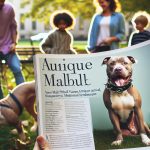
Did you know that a Pitbull can reach speeds of up to 30 miles per hour? This remarkable capability is not just a point of interest for dog lovers; understanding the speed potential of Pitbulls can greatly influence their exercise needs, training routines, and general care. Whether you’re considering a Pitbull as your new companion or are a current owner seeking to optimize your dog’s health and happiness, knowing how fast these dogs can run is essential. It also highlights their physical prowess and stamina, making them ideal partners for active individuals or families. Dive into this article to discover the factors that impact your Pitbull’s speed, how to encourage safe exercise, and the best ways to celebrate their athletic nature! You’ll find insights that not only enhance your bond with your dog but also promote responsible ownership and an appreciation for this often-misunderstood breed.
How Fast Can a Pitbull Run? Understanding Breed Speed
Did you know that the American Pit Bull Terrier can reach impressive speeds of up to 30 miles per hour? This agility and speed make them one of the faster breeds among domestic dogs, often catching the eye of both dog enthusiasts and trainers alike. Understanding the specifics behind a Pitbull’s speed not only highlights their physical capabilities but also sheds light on the breed’s unique traits, genetics, and the influence of training.
To grasp how fast a Pitbull can run, it’s essential to consider their body structure. These dogs are muscular and athletic, designed for short bursts of speed rather than endurance. Their powerful legs, strong hearts, and slightly stocky builds contribute to their quick acceleration, allowing them to sprint effectively during activities. This speed makes them not only excellent companions for energetic owners but also capable competitors in various canine sports.
Several factors can influence a Pitbull’s speed, including age, health, and environment. A young, healthy Pitbull is likely to run faster than an older dog or one with underlying health issues. Additionally, training plays a crucial role; consistent exercise and agility drills can significantly enhance a Pitbull’s natural speed, helping them reach their full potential. Whether you’re looking to participate in dog sports or just enjoy playtime at the park, understanding these elements is key to maximizing your Pitbull’s athletic prowess.
The Science Behind Pitbull Speed Capabilities

Understanding the speed capabilities of the American Pit Bull Terrier begins with recognizing their unique physical composition. These dogs possess a strong and muscular build, which is essential for generating the explosive power needed for quick sprints. With an average running capacity of up to 30 miles per hour, Pitbulls are not just quick; they are incredibly agile, making them adept at both playful activities and serious canine sports. This impressive speed is attributed to their genetics, which favor short bursts of power over sustained endurance.
A closer examination of their anatomy reveals that the structure of a Pitbull’s legs, combined with their robust heart and lung capacity, contributes significantly to their swift acceleration. Their powerful hindquarters allow them to propel forward with remarkable force, while their balanced body ensures quick directional changes, a vital attribute in both play and competition. Furthermore, their coat’s smooth texture minimizes drag, enabling them to maintain speed effectively.
It is also essential to consider the role of training and conditioning in a Pitbull’s speed. Like any athlete, a dog’s ability to achieve and sustain high speeds can be enhanced through specific training routines that focus on agility, strength, and stamina. Engaging them in activities such as sprinting exercises or agility courses not only boosts their speed but also keeps them healthy and mentally stimulated. Thus, understanding the science of a Pitbull’s speed is not just about admiring their natural abilities but also recognizing how you can contribute to their physical capabilities through proper care and training.
Top Factors Influencing a Pitbull’s Speed

Understanding what drives a Pitbull’s impressive speed involves looking at several key factors. First and foremost, their unique physiology plays a significant role. Pitbulls are bred with powerful muscles and strong skeletal structures, creating a body that is well-equipped for short bursts of speed. With their broad chests and powerful hindquarters, they can accelerate quickly and reach impressive speeds-averaging up to 30 miles per hour.
Another crucial aspect is genetics. The individual history of a Pitbull can greatly influence its athletic abilities. Some bloodlines may have been selectively bred for speed, agility, or endurance, affecting their natural capabilities on the track or in the field. You might find that certain lines excel in agility contests, reflecting their faster reflexes and quicker turns during races or play.
Training and environmental factors also play pivotal roles in a Pitbull’s performance. Regular physical activity and specific exercises, such as sprinting or agility drills, can enhance not just their speed but their overall health. Engaging in interactive play or structured exercise routines encourages muscle development and improves cardiovascular fitness, setting them up for success when it comes to showing off their speed. Furthermore, factors like diet, hydration, and even the weather conditions on the day of play can contribute to their speed capabilities.
Ultimately, as a dog owner, understanding these influences enables you to facilitate your Pitbull’s natural speed. Offering a balanced diet, structured training, and plenty of activity can unlock their full potential, making every sprint a testament to their innate abilities.
Comparative Speed: Pitbull vs. Other Breeds

Pitbulls are often celebrated for their impressive speed, but just how do they stack up against other breeds? With an average top speed of around 30 miles per hour, Pitbulls are among the faster dogs, especially considering their muscular build and athletic prowess. However, there are several breeds that can outpace them, particularly when it comes to long-distance running and sustained speed.
To provide a clearer picture, let’s compare some notable breeds:
| Breed | Average Top Speed (mph) | Notable Speed Trait |
|---|---|---|
| Pitbull | 30 | Powerful short bursts |
| Greyhound | 45 | Fastest dog breed, excels in sprinting |
| Whippet | 35 | Agile and can maintain speed over distance |
| Border Collie | 30 | Quick acceleration and agility |
| Jack Russell Terrier | 26 | Quick and energetic, great stamina |
While both Pitbulls and Greyhounds are known for their speed, Greyhounds are the clear winners in terms of maximum velocity. They are bred for racing, which contributes to their aerodynamic shape and lean muscle, allowing them to reach astonishing speeds. On the other hand, Pitbulls excel in short bursts of speed-ideal for agility tasks and quick sprints, making them formidable in situations that require rapid acceleration.
It’s also worth noting that comparative speed isn’t solely about numbers. Many breeds like the Border Collie showcase a combination of speed and agility, allowing them to navigate obstacles quickly and efficiently. Meanwhile, breeds like the Whippet balance speed with an ability to sustain it over longer distances, competing well with Greyhounds in endurance.
As a Pitbull owner, appreciating their unique strengths is key. Though they may not always take the crown for outright speed, their combination of power, agility, and stamina makes them exceptional in various activities, from sports to everyday play. Recognizing the varying attributes of speed across breeds can enrich your understanding and appreciation for your Pitbull’s capabilities, ensuring a more fulfilling and engaging lifestyle for both you and your dog.
Training Techniques to Enhance Your Pitbull’s Speed

To unlock your Pitbull’s full speed potential, you’ll want to incorporate targeted training techniques that enhance their explosive power and endurance. These dogs are known for their athleticism and energy, so the right training regimen can translate their natural abilities into impressive speed. Here are some practical approaches to get your Pitbull running faster.
Interval Training for Speed
One of the most effective ways to improve your Pitbull’s speed is through interval training. This technique involves alternating between short bursts of maximum effort and periods of rest or low activity. For instance, you could set up a workout where your dog sprints for 20-30 seconds, followed by a 1-2 minute walk or light jog. Repeat this cycle several times. This method not only builds speed but also enhances your dog’s cardiovascular fitness.
Strength Training
Incorporating strength training into your dog’s routine can significantly improve their sprinting power. Activities such as uphill running or using a resistance harness to add weight during sprints can fortify their muscles. You can also encourage your Pitbull to jump over obstacles or engage in tug-of-war games to build upper body strength. Always ensure any strength training is age-appropriate and supervised to avoid injury.
Agility Exercises
Agility training is another fantastic way to boost your Pitbull’s speed. Set up an agility course with cones, jumps, and tunnels to encourage quick direction changes and explosive starts. Exercises that focus on agility help improve coordination and speed, making them more effective athletes. Engaging in activities like lure coursing, where your dog chases a moving target, can also simulate real-life speed situations while providing mental stimulation.
Proper Warm-Up and Cool Down
To prevent injuries and promote optimal performance, proper warm-up and cool-down routines are essential. Start each session with at least 10 minutes of light exercise, like walking or gentle play, to gradually increase muscle temperature and flexibility. After your training session, spend time cooling down with light activities to help your dog recover effectively.
By integrating these techniques into your training regimen, you can help your Pitbull not only enhance their speed but also build a stronger bond through shared activities. Remember, consistency is key, and maintaining a positive, rewarding environment will encourage your Pitbull to fully engage with the training. Enjoy the time spent together as you watch your furry athlete improve!
Health Considerations for Peak Speed Performance
To achieve peak speed performance in your Pitbull, it is essential to consider various health factors that directly influence their ability to run swiftly and efficiently. A well-balanced diet, regular veterinary check-ups, and awareness of breed-specific health issues play crucial roles in maintaining your dog’s fitness and agility.
One of the most significant aspects is nutrition. Providing your Pitbull with a high-quality, protein-rich diet fuels their energy levels and supports muscle development. Look for foods that list meat as the first ingredient and contain healthy fats, like omega-3 and omega-6 fatty acids, which promote joint health and reduce inflammation. Additionally, necessary vitamins and minerals contribute to muscle recovery post-exercise, helping them stay in top form.
Another critical factor is weight management. An overweight Pitbull will struggle to reach their full speed potential. Regular exercise and a proper dietary regimen help maintain a healthy weight, which not only enhances speed but also minimizes the risk of injury. Obesity can lead to conditions such as hip dysplasia and joint problems, which are particularly concerning in active breeds. Monitor your dog’s body condition score regularly and adjust their diet and exercise accordingly to keep them fit.
Additionally, be attentive to any breed-specific health concerns that might affect their speed. Pitbulls can be prone to skin allergies, heart issues, and certain muscular-skeletal problems. Regular veterinary check-ups can help identify these issues early on. Routine vaccinations and preventative care will keep your pup healthy and ready to enjoy vigorous activities.
Lastly, hydration is vital, especially during intense training sessions. Ensure your Pitbull has access to clean, fresh water at all times, and consider bringing water along on long runs or during playtime to prevent dehydration. By focusing on these health considerations, you can enhance your Pitbull’s speed capabilities, allowing them to express their athleticism fully while enjoying a healthy, active lifestyle.
Common Misconceptions About Pitbull Speed
While many believe that Pitbulls might be slower than some breeds due to their muscular build and stocky appearance, this is a misconception that overlooks their agility and athleticism. In fact, Pitbulls are surprisingly fast, capable of reaching speeds of up to 25 miles per hour in short bursts. This speed is a product of their strong physique and energetic disposition, and their ability to accelerate quickly is one of their distinct characteristics.
Another common myth is that Pitbulls can’t compete with leaner breeds like Greyhounds or Border Collies. While these breeds are indeed faster on average, it is important to understand the context of their speed capabilities. In a race or sprinting event, they may outpace a Pitbull; however, Pitbulls excel in endurance and strength, making them effective in various activities beyond just speed, such as agility training and obedience competitions. Their physical traits lend themselves to not only speed but also exceptional stability and power, which can often be more beneficial in certain sports and canine activities.
Additionally, some may believe that a Pitbull’s speed is solely driven by its genetics. While genetics do play a role, behavioral training and nurturing play equally vital roles in developing a dog’s overall speed capabilities. With the right training techniques, including sprint training and agility drills, you can enhance your Pitbull’s natural speed. This means that every owner can make a significant impact on their dog’s athletic performance.
In conclusion, understanding the true capabilities of Pitbulls involves looking beyond mere perception. They are fast, agile, and strong dogs that can thrive in a range of physical activities. By dispelling these myths, we open the door to a greater appreciation for their impressive speed and athletic potential.
Real-Life Examples: Speed Records of Pitbulls
Did you know that some Pitbulls have been clocked reaching impressive speeds of up to 30 miles per hour in short bursts? This remarkable capability isn’t just a testament to their athleticism but also showcases their strength and natural agility. While detailed speed records for Pitbulls aren’t as commonly documented as they are for other breeds like Greyhounds, anecdotal evidence and personal stories from owners highlight the remarkable speed potential of these dogs.
One notable example is Jagger, a performance Pitbull who has set local benchmarks in sprinting competitions. Trained in agility and obedience, Jagger has been seen completing a 50-yard dash in just under 4 seconds during informal races, making him a favorite at local gatherings. Owner testimonials often emphasize the joyful spirit and competitive nature of these animals when they run, leading to spirited races against other breeds in friendly competitions.
Among the broader community of Pitbull enthusiasts, stories abound of dogs like Rocky, who was not only a family pet but also a star in fast-paced dog sports. Owners report that Rocky could maintain a steady pace of 15 miles per hour for longer distances, showcasing not only speed but also endurance. Such examples encourage a greater appreciation for the breed’s athleticism, emphasizing that training plays a crucial role in developing a Pitbull’s speed, giving you tangible evidence that with the right nurturing and environment, these dogs can truly shine in their physical capabilities.
Whether it’s through participating in organized dog sports or casual play in the backyard, tracking your Pitbull’s progress can be both rewarding and fun. Engaging in structured activities allows you to witness your dog’s speed in real-time, fostering a bond and igniting a deepening appreciation of their remarkable physical abilities.
The Role of Genetics in Speed Development
Pitbulls are renowned for their speed and agility, but the impressive speeds they can achieve-often clocked at up to 30 miles per hour-aren’t solely the result of rigorous training or enthusiastic play. A significant factor influencing their speed capabilities lies within their genetics. Just like athletes in humans, the inherent genetic makeup of a dog can determine its physical capabilities, including speed, endurance, and overall athletic performance.
Genetics plays a crucial role in defining muscle type, heart size, and even lung capacity-all of which contribute to a dog’s ability to sprint. Pitbulls, particularly those bred from performance-oriented lines, often possess a higher percentage of fast-twitch muscle fibers. These fibers are essential for explosive movements, enabling quick sprints and agility that are characteristic of the breed. Influencing factors also include the specific lineage of your Pitbull: some bloodlines have been selectively bred for athleticism and speed, resulting in variations in physical prowess among individual dogs.
While genetics sets the foundation for speed potential, it’s important to remember that environmental factors and training also play substantial roles. You might find that a Pitbull from a line known for racing or agility events often outperforms others in casual settings, not solely due to genetics but because of focused training and conditioning. Engaging your Pitbull in structured physical activities-like agility courses or sprinting exercises-will not only harness their natural abilities but also help to develop their skills further.
In summary, while your Pitbull’s genetics do provide a baseline for their potential speed, the combination of selective breeding for traits that enhance athleticism and dedicated training can significantly amplify those genetic advantages. Paying attention to both aspects is key to unlocking the full speed capabilities of your beloved companion. Whether through careful breeding practices or fun, engaging workouts, you have the power to promote your Pitbull’s natural speed and athleticism.
How to Safely Measure Your Pitbull’s Speed
Measuring your Pitbull’s speed can be an exciting activity that showcases their athleticism and health. To safely gauge how fast your furry friend can run, it’s essential to create a controlled environment where you can observe their natural running abilities without distractions or hazards.
Start by selecting a flat, open space free of obstacles-ideally, a fenced-in yard or a park area. You can use a stopwatch or a smartphone app capable of timing to record your dog’s sprint from a set distance. An effective distance to measure is 100 yards (approximately 91 meters), which provides enough space for your Pitbull to reach full speed. Once you have established the distance, ensure your Pitbull is warmed up before the sprint; this helps prevent injuries and promotes performance.
Gather a friend or family member to help. One person should hold your Pitbull while the other stands at the finish line, ready to signal the start. Release your dog with a cue-such as “Go!” or “Run!”-and the timer should start immediately. Record the time it takes for your Pitbull to reach the finish line, and calculate their speed using the formula:
| Time (seconds) | Speed (miles per hour) |
|---|---|
| 8 | ~11.25 mph |
| 6 | ~15 mph |
| 5 | ~18 mph |
Once you’ve recorded your Pitbull’s sprinting performance, it’s crucial to cool them down properly. Offer water and keep them moving gently to help their muscles recover. Celebrate their achievement with a small treat or their favorite toy to reinforce positive behavior and create a fun bonding moment.
Remember, each dog is unique, and results can vary based on their age, breed, health, and prior training. Regularly measuring their speed can not only indicate their physical condition but also motivate you to include running and agility exercises in their routine, ensuring they remain happy and fit.
Fun Activities to Boost Your Pitbull’s Running Ability
Engaging your Pitbull in fun activities not only enhances their running ability but also strengthens the bond between you and your furry friend. These energetic dogs thrive on physical challenges, so incorporating varied activities into their routine can boost their speed and overall fitness. Here are some exciting ways to help your Pitbull unleash their inner athlete!
One great way to encourage speed is through fetch games. Try using a ball or a frisbee; these items are excellent for stimulating your dog’s hunting instincts. Start by throwing the object short distances and gradually increasing the length as your Pitbull becomes more skilled. Aim for a spacious area like a park or an open field, allowing your dog to run freely without constraints. You can also include variations, such as rolling the ball instead of throwing it to see how your Pitbull reacts and adapts!
Agility training is another excellent way to improve your dog’s speed and coordination. Set up an obstacle course in your backyard using cones, tunnels, and jumps. Encouraging your Pitbull to maneuver through the course will not only build their speed but also enhance their strength and agility. Start simple, guiding your dog with treats to navigate the obstacles, and increase complexity as their skills grow.
Moreover, participating in dog sports such as lure coursing can provide an exhilarating outlet for your Pitbull’s energy. Lure coursing mimics the chase instinct by having the dog chase a mechanically-operated lure along a predefined path. This sport taps into your dog’s natural speed capabilities while giving them a fun and stimulating experience.
Lastly, don’t underestimate the power of social playdates with other dogs. Running and playing with peers can naturally boost your Pitbull’s speed and stamina. Organize playdates with friendly, energetic dogs that encourage healthy competition and play.
By incorporating these activities into your dog’s exercise routine, you not only enhance their running ability but also pave the way for a healthier and happier life for your Pitbull. These bonding moments through play and exercise will keep them motivated and excited, reflecting positively on their overall wellbeing.
Understanding Your Pitbull: Personality Meets Performance
Understanding the unique personality of your Pitbull can significantly enhance both their performance and your bond. These dogs are known for their exuberance, intelligence, and strong loyalty, making them not just pets but true companions. When you understand their innate character traits, you can create a tailored approach to training and activities that harness their speed capabilities while catering to their needs for mental stimulation and emotional connection.
One standout feature of Pitbulls is their high energy level. This breed thrives on physical challenges, but they also require mental engagement to maintain focus and discipline. Training sessions that incorporate commands alongside speed training can effectively channel their enthusiasm. For instance, utilizing techniques that combine agility with obedience can transform a simple exercise into an enriching experience that keeps your dog both physically active and mentally alert. You might discover that your Pitbull performs better when they understand the purpose behind their actions, whether it’s fetching a ball or navigating an obstacle course.
Also, don’t underestimate the value of positive reinforcement. Using treats or praise to reward your Pitbull for achieving speed tasks reinforces their learning and helps foster a deep-seated desire to perform. This method not only enhances their running ability but nurtures a solid relationship built on trust and mutual respect. Remember, a happy dog is one that feels secure and appreciated, and this sentiment is especially true for the affectionate Pitbull, who thrives with loving support.
Finally, engaging in social activities with other dogs can further enhance your Pitbull’s performance. Participating in group play or dog sports introduces an element of healthy competition, which can push your dog to run faster and showcase their natural agility. As they interact with their peers, you’ll likely see improvements in their speed and confidence, ultimately contributing to a well-rounded, happy dog. By understanding the interplay of personality and performance, you’re not only celebrating your Pitbull’s capabilities but also enriching their life experience.
Frequently asked questions
Q: What is the average speed of a Pitbull?
A: The average speed of a Pitbull is between 25 to 30 miles per hour. This speed is influenced by factors such as age, breed variation, and overall health. Regular exercise can help maintain their speed and stamina.
Q: How can I train my Pitbull to run faster?
A: To train your Pitbull for speed, incorporate interval training and sprints into their routine. Use engaging activities like fetch or agility courses to enhance their endurance and speed. Always encourage short bursts of speed followed by rest periods to prevent fatigue.
Q: Are Pitbulls faster than Greyhounds?
A: No, Greyhounds are significantly faster than Pitbulls, reaching speeds of up to 45 miles per hour. While Pitbulls are agile and strong, Greyhounds are bred for speed. This comparison highlights the unique strengths of each breed.
Q: What physical traits contribute to a Pitbull’s speed?
A: A Pitbull’s muscular build, strong legs, and deep chest contribute significantly to its speed capabilities. These physical traits allow for powerful bursts of speed and agility, making them efficient runners.
Q: Can a Pitbull’s diet affect its running speed?
A: Yes, a balanced diet rich in protein and essential nutrients can significantly impact a Pitbull’s running speed and stamina. Ensure they receive high-quality dog food and maintain proper hydration to optimize their performance.
Q: How do I safely measure my Pitbull’s running speed?
A: To safely measure your Pitbull’s speed, use a straight, flat track. Time them over a 100 or 200-yard distance with a stopwatch. Ensure proper warm-up and cool-down to prevent injuries.
Q: What common misconceptions exist about Pitbulls and speed?
A: A common misconception is that Pitbulls are always aggressive or hyperactive. In reality, they can be calm and focused, competing effectively in speed activities when trained properly. Understanding their behavior helps in boosting their running ability.
Q: How can I promote overall fitness in my Pitbull for better speed?
A: Engaging in regular exercise, varied activities like swimming, hiking, and obedience training contributes to your Pitbull’s overall fitness. A well-rounded fitness regimen enhances their speed and keeps them healthy. Consider including fun games to make exercise enjoyable.
Final Thoughts
As we’ve explored the remarkable speed capabilities of Pitbulls, it’s clear that these dogs are not only fast but also exemplify strength and agility. Whether you’re considering bringing a Pitbull into your home or you’re a long-time owner, understanding their physical abilities is essential for providing the best care. Don’t forget to check out our articles on Pitbull training tips and health care guides, which can help you support your furry friend optimally.
Ready to dive deeper into the world of Pitbulls? Subscribe to our newsletter for the latest insights and join our community discussions. Your questions are valuable-feel free to leave a comment with your thoughts or concerns about your Pitbull’s health and behavior. By embracing the full spectrum of knowledge on this incredible breed, you’ll not only enhance your bond with your pet but also become an advocate for responsible ownership. Keep exploring our site, where you’ll find everything you need to ensure your Pitbull thrives!
Get our latest guides, news, and insights highlighted in your Google Search & AI Overviews.