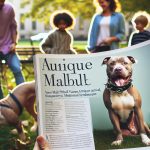
The Dwarf Pitbull is a fascinating variation of the beloved Pitbull breed, known for its compact size and muscular build. This unique canine, typically shorter in stature yet full of energy and loyalty, poses an interesting choice for those who appreciate a smaller but equally spirited companion. Understanding the Dwarf Pitbull is essential, as it not only highlights the diversity of the breed but also addresses common concerns about health, training, and care requirements specific to these compact dogs. Whether you’re a current Pitbull owner or considering bringing one into your home, discovering what makes this variation special can enhance your experience and deepen your appreciation. Join us as we explore the world of Dwarf Pitbulls, delving into their unique characteristics, temperament, and the best practices for ensuring a happy and healthy life for your furry friend.
Dwarf Pitbull Characteristics: What Makes Them Unique?
Dwarf Pitbulls are a captivating and unique variation of the traditional Pitbull breed, standing out not just for their compact size, but for their distinct physical and personality traits. These dogs typically inherit a stocky, muscular build similar to their larger counterparts, with a proud stance and an energetic demeanor that belies their smaller stature. Weighing between 30 to 50 pounds and standing about 14 to 16 inches tall, Dwarf Pitbulls display the robust qualities characteristic of the breed, such as a broad head, strong jaws, and a short coat that comes in a variety of colors including brindle, fawn, and blue.
One of the defining characteristics of Dwarf Pitbulls is their friendly and loyal nature. They are known for being affectionate with their families and can be excellent companions for both individuals and families. Their energy levels often match their larger relatives, requiring regular exercise to maintain their physical health and mental well-being. This breed is intelligent and eager to please, which makes training generally straightforward. However, like all dogs, they benefit from early socialization and consistent training methods to nurture their sociable nature and prevent any behavioral issues.
Dwarf Pitbulls also embody a playful spirit, often relishing playtime and interactive games with their owners. Despite their smaller size, they possess a strong prey drive and can be quite spirited, often displaying traits of courage and tenacity. This combination of traits makes them not only delightful companions but also effective watchdogs. By understanding these unique characteristics, potential owners can better appreciate what makes Dwarf Pitbulls a wonderful addition to a household.
The Origin of the Dwarf Pitbull: A Brief History
Dwarf Pitbulls are not only captivating companions but also a fascinating product of deliberate breeding practices aimed at creating a smaller version of the traditional Pitbull. This unique variation likely emerged due to a combination of genetic traits and selective breeding techniques used to enhance specific characteristics while maintaining the breed’s charm and vigor. While the precise origins may not be meticulously documented, it is generally accepted that these dogs arose from a desire among breeders to create a more compact and manageable version of the robust Pitbull.
The breeding process for Dwarf Pitbulls involves careful selection of parents that contribute to the desired dwarfism traits. This often means pairing Pitbulls with certain genetic characteristics such as short stature or stocky build. It’s crucial during this process to prioritize the health and temperament of both the parent dogs and the offspring. Responsible breeders focus on traits like friendliness and loyalty to ensure these dogs are not only cute but also excellent family companions. The result is a dog that inherits the quintessential qualities of the Pitbull-a strong, loyal, and affectionate nature, just in a smaller package.
Moreover, as awareness of Dwarf Pitbulls increases, so does the need for responsible ownership. Understanding the potential genetic health issues that can arise from breeding practices, such as conditions related to dwarfism, is essential for prospective owners. It’s important that adopters or buyers of Dwarf Pitbulls remain informed and unified with breeders who prioritize health over aesthetics, ensuring a sound and thriving pet. This growing community of Dwarf Pitbull enthusiasts is shaping a positive narrative around these dogs, promoting their suitability as family pets and companions across various settings.
As you consider welcoming a Dwarf Pitbull into your home, it’s vital to appreciate not just their size but their rich heritage and the ethical responsibilities involved in their care. By understanding their past and honoring the processes that have led to their unique genetic makeup, you can forge a deeper connection with your future furry friend and ensure they receive the love and support they deserve.
Health Considerations for Dwarf Pitbulls: Common Issues
Dwarf Pitbulls, while adorable and compact, can face unique health challenges due to their size and the breeding practices that led to their creation. Understanding these potential health issues is crucial for anyone considering adding one of these lovable dogs to their family. Common problems often associated with dwarfism in dogs can range from skeletal deformities to organ issues, and it’s important to be proactive about monitoring and maintaining your pet’s health.
One of the most prevalent health concerns for Dwarf Pitbulls is joint problems, particularly hip dysplasia. This condition, where the hip joint doesn’t fit snugly into the hip socket, can lead to arthritis and pain as your dog ages. Regular veterinary check-ups and weight management can help mitigate these risks. Additionally, ensuring that your Dwarf Pitbull engages in a balanced exercise routine is essential, as being overweight can exacerbate joint issues.
Another area of concern is heart problems. Dwarfism can sometimes lead to congenital heart defects, where the heart doesn’t develop properly. Symptoms may include excessive tiredness, difficulty breathing, or a persistent cough. These issues can be aggravated by the smaller heart and respiratory systems typical of dwarf breeds. Regular veterinary assessments can help identify these problems early, allowing for appropriate management or treatment.
Other potential issues include skin conditions and allergies, which may be more prominent in Dwarf Pitbulls due to their unique genetics. Keeping an eye on your dog’s skin health and ensuring they are groomed regularly can prevent discomfort and identify problems early. It’s also important to select a high-quality diet that suits their needs to avoid allergies that can affect skin health.
Incorporating preventive care measures, such as regular vet visits, an appropriate diet, and consistent exercise, will help ensure your Dwarf Pitbull leads a happy, healthy life. Being informed about these health considerations not only enhances your dog’s well-being but also strengthens the bond you share. Remember, taking a proactive approach to your dog’s unique health needs is key to enjoying many years together.
Training Your Dwarf Pitbull: Best Practices and Techniques
Training a Dwarf Pitbull can be an enriching experience for both you and your pet. These compact canines possess the intelligence and eagerness to please characteristic of the broader Pitbull breed, making them responsive to training efforts. To harness their unique traits effectively, you’ll want to employ a combination of positive reinforcement techniques and structured training routines.
Start with establishing a consistent training schedule. Dwarf Pitbulls thrive on routine, and having regular training sessions will help them understand expectations and processes. Short, focused sessions-around 5-10 minutes-are ideal, particularly because puppies and younger dogs can have shorter attention spans. Use a combination of verbal praise, treats, and toys to reward their progress. For instance, when they successfully perform a command like “sit” or “stay,” be sure to praise them immediately with enthusiasm. This reinforces the behavior and makes training a positive experience.
Moreover, socialization is a crucial component of your Dwarf Pitbull’s training. Introducing them to various environments, people, and pets can help mitigate behavioral issues later in life. Scheduled socialization sessions can be as simple as meeting new friends at the park or joining training classes. This exposure will not only help them become well-rounded dogs but will also support their confidence, reducing the likelihood of fear-based behaviors. Always reward calm and friendly interactions, reinforcing that positive behavior gets them what they want-attention and playtime.
Lastly, patience is key. Dwarf Pitbulls, while generally eager learners, can also be stubborn at times. If your dog isn’t grasping a command right away, don’t get frustrated; adjust your approach and try again later. Keep training sessions fun and engaging, and consider incorporating play into your routines. For instance, mixing commands with a game of fetch can maintain their enthusiasm and energy levels, making learning feel effortless. Remember, the bond you strengthen through training not only shapes an obedient dog but also builds a trusting relationship, paving the way for a lifelong companionship.
Diet and Nutrition for Dwarf Pitbulls: What to Feed
Feeding a Dwarf Pitbull requires thoughtful consideration, as this compact variation of the breed has specific nutritional needs to maintain optimal health. Like all Pitbulls, they often display a strong muscular build; thus, providing a diet rich in quality protein is essential for muscle development and overall vitality. When selecting food for your Dwarf Pitbull, focus on high-quality commercial dog food that lists real meat as the primary ingredient.
Understanding Nutritional Needs
A balanced diet for your Dwarf Pitbull typically includes a blend of protein, fats, carbohydrates, vitamins, and minerals. It’s essential to look for foods that contain:
- Protein: At least 20-30% from sources like chicken, beef, or lamb to support muscle growth.
- Fats: Healthy fats should make up about 8-15% of the diet, coming from fish oil or chicken fat for skin and coat health.
- Carbohydrates: Complex carbohydrates, such as brown rice and sweet potatoes, can provide energy and fiber for digestion.
- Vitamins and Minerals: Look for supplements or added nutrients that contribute to your dog’s strong bones and overall immune health.
Portion Control
Since Dwarf Pitbulls are smaller than their standard counterparts, portion control is vital to prevent obesity-a common concern in compact breeds. Measure their food based on their weight and activity level, typically following the guidelines on the dog food packaging but adjusted for their unique size. This might mean feeding them smaller amounts more frequently throughout the day, rather than one or two large meals. Always keep fresh water available to keep your pup hydrated.
Choosing the Right Food
When it comes to selecting the right food, consider brands that specifically cater to small breeds or those formulated for active dogs. Many brands offer grain-free options which can be beneficial for those with sensitivities. Additionally, incorporating fruits and vegetables into their diet can provide essential antioxidants.
In summary, the key to maintaining your Dwarf Pitbull’s health lies in providing a well-rounded diet tailored to their needs. By focusing on high-quality ingredients, monitoring portion sizes, and keeping their specific nutritional requirements in mind, you’ll contribute to a happy and healthy life for your beloved companion.
Living Environment for Dwarf Pitbulls: Space and Comfort
Creating a comfortable and safe living environment for your Dwarf Pitbull is essential to ensure their well-being and happiness. Unlike their larger counterparts, Dwarf Pitbulls thrive in compact spaces, making them well-suited for apartment living or homes with limited outdoor areas. However, it’s vital to tailor their environment to meet their unique needs.
Start by providing a cozy and secure area within your living space. This could be a designated bed or crate where they can retreat when feeling overwhelmed or tired. Choose bedding that supports their joints, especially since compact breeds can be prone to certain health issues, including joint problems. Make sure the area is quiet and away from high-traffic zones in your home, allowing them to rest without being disturbed.
Outdoor access is also crucial. Regular outdoor time allows your Dwarf Pitbull to explore, play, and exercise. Even if you have a small yard, frequent walks are beneficial for their physical health and mental stimulation. Use a secure leash and harness for walks to ensure their safety, as Dwarf Pitbulls are strong and can be easily distracted by their surroundings. Additionally, providing a few engaging toys can help keep them occupied and enriched, ensuring they have an outlet for their energy.
Consider the temperature and climate of your living environment. Dwarf Pitbulls are not as tolerant to extreme weather conditions, so it’s essential to provide a comfortable indoor temperature. During colder months, ensuring they have a warm space to curl up in can help protect their sensitive bodies from the chill. Conversely, during hot summer days, provide plenty of fresh water and a cool place for them to rest, as they can overheat quickly.
In summary, a well-thought-out living environment for your Dwarf Pitbull combines comfort, safety, and stimulation. By focusing on their specific needs and making adjustments based on their personality and health concerns, you can create a haven that all Dwarf Pitbulls will adore. Regular outdoor adventures and a cozy indoor space will not only support their physical health but also strengthen your bond with this unique and affectionate breed.
Socialization Needs for Dwarf Pitbulls: Building Good Behavior
Dwarf Pitbulls, like their larger counterparts, possess a robust character and a vibrant personality that can be wonderfully expressed through socialization. Early and consistent socialization is paramount for this unique breed. Engaging your Dwarf Pitbull with a variety of people, environments, and other animals not only fosters good behavior but also boosts their confidence, making them well-adjusted companions. Socialization helps them learn how to navigate the world without fear, aggression, or anxiety, enhancing their interaction skills throughout their lives.
One effective approach is to introduce your Dwarf Pitbull to different contexts regularly. Take trips to various places such as parks, pet stores, and friendly gatherings where they can meet new people and other pets. These experiences teach them proper dog manners, reduce susceptibility to fears, and help them form positive associations with unfamiliar situations. If possible, engaging in puppy classes or dog training courses provides structured socialization, where they can interact with others in a safe environment while learning essential commands.
When socializing, it’s important to ensure these interactions are controlled and positive. If your Dwarf Pitbull exhibits signs of stress, such as growling or hiding, gently remove them from the situation to prevent negative associations. Praise and reward calm behavior with treats and affection to reinforce their confidence. Socialization is not a one-time effort; it should be an ongoing part of your dog’s life, continually exposing them to new experiences, sounds, and sights to maintain their sociability as they grow.
In addition to regular outings, consider the role of playdates with well-behaved dogs. These interactions allow your Dwarf Pitbull to understand canine play styles and communication better. Supervised play promotes healthy boundaries and helps mitigate aggressive tendencies that can arise from misunderstandings. Remember, the goal of socialization is to create a trusting bond between you and your Dwarf Pitbull while ensuring they feel safe and secure in their relationships with others. With dedication and consistency, you can cultivate a friendly, confident companion who thrives in any setting, embodying the true spirit of the breed.
Comparing Dwarf Pitbulls to Other Variants: Key Differences
Understanding the distinctions among various pitbull variants is essential for prospective owners, especially when considering a Dwarf Pitbull. These compact companions may share many characteristics with their larger relatives, but they also possess unique traits that set them apart. Dwarf Pitbulls are recognized primarily for their small stature, typically standing around 10 to 14 inches tall, which can significantly influence their behavior, care needs, and suitability as pets.
The physical appearance of a Dwarf Pitbull contrasts sharply with standard pitbull variants, which usually range from 18 to 21 inches in height. While both share that muscular build and identifiable square head, the shorter legs and proportions of Dwarf Pitbulls give them a distinctive look that appeals to many dog lovers seeking a more compact breed. Their smaller size doesn’t mean they lack strength; they are still powerful dogs with high energy levels, requiring consistent exercise and mental stimulation similar to their larger counterparts.
Behavioral Traits and Temperament
When comparing Dwarf Pitbulls to other variants, it’s critical to consider their temperament. Dwarf Pitbulls often exhibit an affectionate demeanor, demonstrating a loyal and playful nature that makes them great family pets. In contrast, some larger pitbulls may display a more reserved or protective temperament, leading to varied levels of socialization and training needs. Given their smaller size, Dwarf Pitbulls may sometimes be more adaptable to apartment living, as they require less space than full-sized pitbulls.
Another significant difference lies in activity levels. Though both types are energetic, the physical demands of a Dwarf Pitbull can often be met with shorter, more frequent bursts of playtime rather than lengthy exercise sessions. Owners should be mindful that socialization is paramount for both groups, but with the Dwarf variant, gentle interactions with children and other pets can foster a calm and confident disposition.
| Characteristic | Dwarf Pitbull | Standard Pitbull |
|---|---|---|
| Height | 10-14 inches | 18-21 inches |
| Weight | 25-50 lbs | 30-85 lbs |
| Energy Level | High, but manageable | Very high |
| Temperament | Loyal, playful | Confident, protective |
In summary, while Dwarf Pitbulls and standard pitbulls share many foundational traits, their differences in size, temperament, and exercise needs make them distinct. Understanding these nuances can help ensure that you provide the best environment and care tailored to your Dwarf Pitbull, maximizing the joy they bring as a companion.
Grooming Your Dwarf Pitbull: Essential Care Tips
Grooming your Dwarf Pitbull is an essential aspect of keeping your compact canine happy and healthy. Despite their smaller stature, Dwarf Pitbulls require regular grooming to maintain their distinctive coat and skin condition. With a short, smooth coat, these dogs are not overly demanding in terms of grooming frequency, but consistent attention will ensure they look their best and feel comfortable.
To begin with, brushing your Dwarf Pitbull once a week is usually sufficient to remove loose hair and prevent matting. A rubber grooming mitt or a soft-bristle brush works well for this breed, helping to distribute natural oils throughout the coat and leaving it shiny. Bathing should occur only as needed-typically every few months-unless your pet rolls in something particularly messy! When bathing, use a mild dog shampoo that’s free from harsh chemicals to protect their sensitive skin.
Dental Care and Nail Trimming
Oral hygiene is crucial for your Dwarf Pitbull’s overall health. Regular tooth brushing can help prevent periodontal disease and bad breath. Aim to brush their teeth at least two to three times a week, using toothpaste formulated for dogs. If brushing isn’t feasible, consider dental treats or toys that promote oral health.
Another equally important grooming task is nail trimming. Since Dwarf Pitbulls are smaller, their nails may not wear down naturally like those of larger breeds, especially if they spend a lot of time indoors. Trimming nails every 4 to 6 weeks will keep them at a healthy length and prevent discomfort or potential injury. If you’re unsure how to trim their nails safely, consult your veterinarian or a professional groomer for guidance.
Ear and Eye Care
Don’t overlook ear and eye care either. Check your Dwarf Pitbull’s ears weekly for signs of wax buildup or irritation. Cleaning their ears with a veterinarian-recommended solution can help prevent ear infections. Likewise, you should check their eyes for any discharge or redness, which can indicate a health issue needing attention.
Providing proper grooming for your Dwarf Pitbull isn’t just about aesthetics; it enhances their wellbeing and strengthens the bond you share through touch and attention. Enjoy this time spent together as it can be a great opportunity for positive reinforcement and relaxation, making grooming a rewarding experience for both you and your furry friend.
The Role of Exercise in Dwarf Pitbull Health
Providing your Dwarf Pitbull with regular exercise is crucial for their overall health and happiness. These compact canines may be smaller in stature, but they still possess plenty of energy and a robust athleticism characteristic of the breed. A well-structured exercise routine not only helps prevent obesity but also tackles potential behavioral issues stemming from boredom or excess energy.
Engaging your Dwarf Pitbull in daily physical activities can take many forms. Short walks in the neighborhood, spirited games of fetch, or even supervised playtime in a secure yard can keep them active and entertained. It’s essential to tailor the intensity and duration of exercise to their energy levels and physical capabilities, allowing them to enjoy the activity without overexertion. Ideally, aim for at least 30 to 60 minutes of exercise per day, but remember to break this up into shorter sessions if your pup shows signs of fatigue.
H3: Types of Exercise
Different types of exercise can be beneficial for your Dwarf Pitbull:
- Walking: Regular walks are a great way to socialize your puppy and stimulate their minds. Choose a variety of paths to keep the experience fresh.
- Fetch: This classic game is not only fun but also provides an excellent workout. Make sure you use a soft toy to prevent any injuries.
- Agility Training: Setting up a mini obstacle course in your yard can be both mentally and physically stimulating. Your Dwarf Pitbull will love the challenge!
- Swimming: If your pup enjoys water, swimming can provide a low-impact exercise option that’s easy on the joints while still burning plenty of energy.
H3: Importance of Socialization Through Exercise
Exercise also serves as a fantastic opportunity for socialization. Taking your Dwarf Pitbull to parks or dog-friendly areas exposes them to various environments, people, and other dogs. This exposure is crucial for developing their social skills and ensuring they grow into well-rounded, confident adults. Just remember to monitor their interactions, especially in crowded areas, to protect them from overwhelming situations.
In conclusion, regular exercise plays a fundamental role in your Dwarf Pitbull’s health and well-being. By fostering a routine that includes a mix of physical activities and social interactions, you’ll not only enhance their quality of life but also strengthen the bond between you and your furry friend.
Understanding Temperament: Dwarf Pitbulls and Their Personalities
Dwarf Pitbulls are not just a smaller version of the traditional Pitbull; they embody a unique blend of characteristics that contribute to their distinct temperament and personality. These dogs are often described as friendly, loyal, and eager to please, making them wonderful companions for families and individuals alike. They possess a playful spirit and a robust energy that belies their compact size, showcasing an exuberance that can light up any room.
One of the most notable traits of Dwarf Pitbulls is their affectionate nature. They thrive on human interaction and are known to form strong bonds with their owners. This loyalty translates into an eager willingness to protect their family, making them both loving companions and vigilant guardians. Their intelligence means they are quick learners, but this also requires responsible owners to invest time in training and socialization from an early age to channel their energy positively, preventing any undesirable behaviors.
Understanding Their Social Nature
Dwarf Pitbulls are inherently social animals that enjoy being part of family activities. They tend to get along well with children, often displaying a gentle and playful approach. However, it’s essential to supervise interactions, particularly with younger kids, to ensure that their playful exuberance is matched by the child’s ability to engage safely. Socialization with other dogs and pets is equally important, as it promotes confidence and reduces the potential for territorial behavior.
In terms of behavioral traits, while their size may be compact, their personality is anything but. These doggies tend to be curious and confident, qualities that can sometimes lead to stubbornness during training. Owners should maintain a consistent and firm approach to training while incorporating positive reinforcement techniques, such as treats and praise, to motivate their Dwarf Pitbull. Establishing a strong leadership role while remaining patient will yield the best results, ensuring that your compact companion grows into a well-mannered and well-adjusted adult dog.
Overall, the temperament of Dwarf Pitbulls is a delightful mix of affection, playfulness, and determination. With the right balance of socialization, training, and love, these little dogs can thrive in diverse environments, making them truly unique additions to any home. Their personality not only enriches the lives of their owners but also creates a harmonious atmosphere filled with joy and companionship.
Legal Considerations for Owning a Dwarf Pitbull: What You Need to Know
When considering bringing a Dwarf Pitbull into your home, it’s essential to be aware of the legal landscape surrounding this breed. Because various jurisdictions have different laws regarding pitbull breeds, owning a Dwarf Pitbull can come with its own set of legal considerations. In many areas, breed-specific legislation (BSL) targets pitbulls due to misconceptions about their temperament and behavior. Understanding these regulations is crucial not only for legal ownership but also for the safety and well-being of your dog.
Research Local Laws
Before adopting or purchasing a Dwarf Pitbull, you should thoroughly research local laws and regulations. Some municipalities may have outright bans or strict regulations on owning pitbull breeds, including Dwarf variants. Check your state and local government’s animal control department for specific regulations. Additionally, some homeowners’ associations (HOAs) may impose their own restrictions, so be sure to review those as well. It’s advisable to have all documentation ready, including proof of breed, vaccination records, and any other legal requirements.
Insurance Considerations
Another critical factor is homeowner’s or renter’s insurance. Many insurance companies will not cover specific dog breeds, including pitbulls, which can affect your capability to secure a policy. Contact your insurance provider to discuss whether they have restrictions and, if necessary, find a provider willing to insure homes with Dwarf Pitbulls. Preparing for these discussions in advance can prevent potential headaches later on.
Responsible Ownership
Owning any dog comes with social responsibilities, especially with breeds that may face stigma. It’s crucial to engage in responsible ownership practices, such as consistent training, socialization, and ensuring your dog is well-behaved in public spaces. Being a proactive and educated owner will help mitigate any negative perceptions around pitbulls, fostering a more supportive environment for all dog breeds in your community.
By addressing these legal considerations and preparing adequately, you not only foster a loving home for your Dwarf Pitbull but also contribute positively to the broader conversation surrounding pitbull breeds. Understanding the laws and taking informed steps will help you ensure the happiness and safety of your compact companion.
Frequently asked questions
Q: What is a Dwarf Pitbull?
A: A Dwarf Pitbull refers to a compact variation of the traditional Pitbull breeds, characterized by their smaller stature and unique genetic traits. Unlike standard Pitbulls, Dwarf Pitbulls have a more muscular build despite being shorter, often drawing interest for their distinctive looks and temperaments.
Q: How does the size of a Dwarf Pitbull compare to a regular Pitbull?
A: Dwarf Pitbulls typically stand 10-20% shorter than regular Pitbulls, usually averaging between 12 to 16 inches in height. Despite their smaller size, they maintain a robust and muscular appearance, making them quite distinctive within the breed’s various variants.
Q: What are common health issues for Dwarf Pitbulls?
A: Common health issues for Dwarf Pitbulls include joint problems, heart disease, and issues related to their dwarfism. Regular veterinary check-ups and a balanced diet can help mitigate these risks. Always consult with a vet for specific health concerns related to your Dwarf Pitbull.
Q: Can Dwarf Pitbulls be trained easily?
A: Yes, Dwarf Pitbulls can be trained easily due to their intelligence and eagerness to please. Positive reinforcement methods work best; start training early and ensure consistency in the commands. Engage them with fun and interactive training sessions to keep them motivated.
Q: What should I feed my Dwarf Pitbull?
A: Feed your Dwarf Pitbull a high-quality dog food that is appropriate for their age, size, and activity level. Look for formulas that are rich in protein and essential nutrients. Regular portion control is crucial to prevent obesity, which can exacerbate health issues.
Q: Do Dwarf Pitbulls require special grooming?
A: Dwarf Pitbulls have a short coat that requires minimal grooming. Regular brushing helps to control shedding and allows you to check for skin issues. Bathing should be done sparingly to maintain healthy skin oils. Regular nail trimming and dental care are equally important.
Q: How much exercise does a Dwarf Pitbull need?
A: Dwarf Pitbulls require moderate exercise to stay healthy, typically around 30 to 60 minutes of activity daily. Engaging them in play, walking, and interactive games meets their physical and mental needs, fostering a healthy bond between you and your pet.
Q: Are Dwarf Pitbulls good with children or other pets?
A: Yes, Dwarf Pitbulls are often known for their affectionate and friendly nature toward children and other pets when properly socialized. Early socialization and training are key to ensuring they develop good behavior and can interact positively with different individuals and animals.
To Conclude
As you delve into the vibrant world of the Dwarf Pitbull, remember that proper care, training, and understanding of their unique traits can lead to a fulfilling companionship. These compact canines pack a lot of personality, strength, and loyalty, making them excellent companions for various lifestyles. Don’t miss out on our detailed resources on Pitbull genetics and training techniques to ensure your Dwarf Pitbull thrives.
Are you ready to embrace the joy of owning a Dwarf Pitbull? Explore our site for more valuable insights, and consider signing up for our newsletter to stay updated on breed news and tips. Your next steps could include checking out our comprehensive guide on health considerations or connecting with fellow enthusiasts in our community forums. Share your thoughts about Dwarf Pitbull ownership in the comments below, and let’s celebrate these wonderful dogs together!
Get our latest guides, news, and insights highlighted in your Google Search & AI Overviews.