
Did you know that the average lifespan of a Pitbull ranges from 10 to 16 years, depending on various factors like genetics, diet, and environment? As a dedicated pet parent, imagine the joy of sharing those extra years with your furry friend. Understanding how to promote your Pitbull’s health can transform the quality and longevity of their life, enriching your bond and ensuring they remain a playful companion well into their senior years. In this guide, we’ll explore actionable tips and insights on how you can effectively add years to your Pitbull’s life while enhancing their overall well-being. Whether you’re a new owner or have been a proud Pitbull enthusiast for years, you’ll find valuable information that not only addresses your concerns but also celebrates the vibrant spirit of this incredible breed. Ready to learn how to give your beloved pup the best life possible? Let’s dive in!
Pitbull Lifespan: Understanding the Factors at Play
Understanding the lifespan of Pitbulls is essential for maximizing the quality of your dog’s life. These loyal companions typically live between 12 to 14 years, although factors such as genetics, diet, exercise, and preventive care can significantly impact their longevity. Knowing what contributes to a long and healthy life can empower you as a pet owner to make optimal choices for your furry friend.
Genetics and Breed Variants
Different sub-breeds of Pitbulls exhibit varying lifespans. For instance, American Staffordshire Terriers and Staffordshire Bull Terriers tend to live longer than other Pitbull types, with some reaching into their late teens. Understanding the specific health predispositions of your dog’s breed can help you prepare for and mitigate potential health issues as your Pitbull ages.
Nutrition and Weight Management
Diet plays a crucial role in your Pitbull’s longevity. Providing a balanced diet rich in essential nutrients not only supports overall health but also helps prevent obesity-a common issue that can shorten lifespan. Aim for high-quality dog food appropriate for your dog’s age, weight, and activity level, and consult your veterinarian for tailored advice. Regular weight checks can help maintain a healthy body condition, which is vital for extending your Pitbull’s years.
Exercise and Mental Stimulation
Regular exercise is another cornerstone of a long and fulfilling life for your Pitbull. Daily activities not only keep them physically fit but also mentally stimulated. Engaging your dog in play, walks, or even training sessions can enhance their well-being and mitigate behavioral issues. Aim for at least 30 minutes of vigorous activity each day, adjusting according to your dog’s energy levels and health needs.
Incorporating these factors into your routine will provide you with valuable insights and actionable steps to ensure that your beloved Pitbull enjoys a happy, healthy, and long life. The bond you share will only deepen as you dedicate time and care to understanding and catering to their unique needs.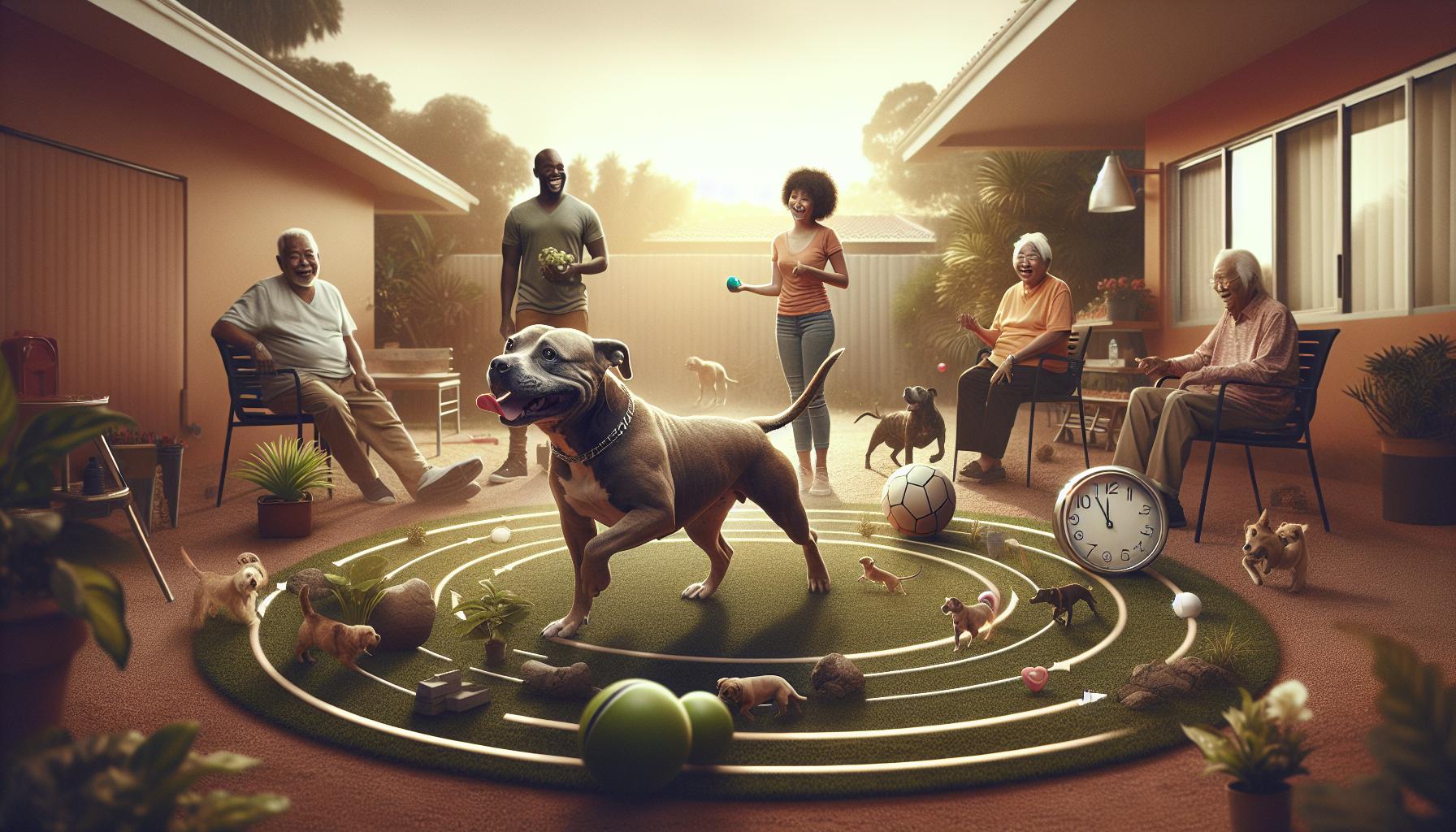
Essential Nutrition for a Longer Life
Providing the right nutrition for your Pitbull is a foundational aspect of ensuring a longer, healthier life. Just like humans, dogs thrive on a balanced diet filled with essential nutrients that support their overall health. A well-thought-out diet can help prevent obesity, boost the immune system, and maintain energy levels, which are crucial for an active and happy dog.
To start, it’s vital to choose high-quality dog food that matches your Pitbull’s life stage, activity level, and specific health needs. Look for foods that list real meat as the first ingredient, along with whole grains, vegetables, and healthy fats. These ingredients provide the building blocks for muscle health, energy, and a vibrant coat. Here are some key components to include:
- Protein: Essential for muscle maintenance and energy.
- Fats: Healthy fats, such as those from fish oil, contribute to skin and coat health.
- Carbohydrates: Provide energy; opt for whole grains like brown rice or oats.
- Vitamins and Minerals: Ensure they’re included to support various bodily functions.
Regularly monitor your dog’s weight and body condition, adjusting their food intake as necessary. Consult with your veterinarian for personalized recommendations, especially if your Pitbull has specific health concerns or dietary sensitivities. It’s also worth considering natural supplements, such as omega fatty acids or glucosamine, which can promote joint health as your dog ages.
Remember, portion control is crucial. Overfeeding can lead to obesity, a common issue that can significantly shorten a dog’s lifespan. By measuring out meals and avoiding excessive treats, you can help your Pitbull maintain a healthy weight.
Lastly, stay hydrated! Always provide fresh water, as staying properly hydrated is vital for overall health and aids in digestion and nutrient absorption.
By prioritizing your Pitbull’s nutritional needs, you actively contribute to their longevity and quality of life. You’ll not only see the benefits reflected in their energy and vitality but also strengthen the bond you share as you embark on this journey of health together.
Regular Exercise: The Key to Longevity
Regular exercise is a cornerstone of your Pitbull’s health and longevity. Many people may not realize that an active lifestyle is one of the most effective ways to enhance the overall well-being of this breed. Pitbulls are known for their strength and energy, so a sedentary lifestyle can lead to various health problems, including obesity, joint issues, and behavioral problems.
Incorporating daily physical activity into your dog’s routine not only keeps their body fit but also stimulates their mind. Engaging in activities like brisk walks, running, or playing fetch can help your Pitbull maintain a healthy weight, which is essential for preventing obesity-related diseases. Aim for at least 30 to 60 minutes of exercise each day, depending on your dog’s age and health condition. You might consider mixing in different activities to keep things exciting-think agility training, swimming, or even dog-friendly sports such as flyball or lure coursing.
Building a Routine
Creating a structured exercise routine benefits both you and your Pitbull. Here are some tips to get started:
- Start Slow: If your dog is not used to regular exercise, begin with short sessions and gradually increase the duration and intensity.
- Make it Fun: Incorporate interactive games and toys to keep your dog engaged and excited about exercise.
- Variety is Key: Change up the types of activities to prevent boredom for both you and your dog; explore different parks, trails, or even play dates with other dogs.
- Monitor Health: Keep an eye on your Pitbull’s physical condition and energy levels, adapting the exercise routine as necessary, especially as they age.
By making exercise a priority, you not only increase the years in your Pitbull’s life but also enhance the quality of those years. Remember that an active dog is often a happy dog; they’re less likely to develop behavioral issues and will form a stronger bond with you through shared activities. Let your Pitbull’s needs guide you, and enjoy the countless benefits that a vigorous lifestyle brings to both canines and their owners!
Preventive Veterinary Care: Importance and Frequency
Regular check-ups with your veterinarian are essential for ensuring your Pitbull leads a long, healthy life. Just like humans, dogs face various health risks that can be detected and managed through routine visits. These preventive measures not only help monitor your dog’s overall health but also catch any potential issues early, giving you the best chance to address them effectively. Studies show that pets receiving regular veterinary care tend to live longer and healthier lives, so establishing a consistent schedule is vital.
During wellness visits, your veterinarian will perform a thorough examination, including checking your Pitbull’s weight, heart rate, and vital signs. They may also recommend vaccinations, flea and tick prevention, and heartworm tests, which are essential for protecting your pet against common diseases. It is generally advised that adult dogs visit the vet at least once a year, but senior Pitbulls or those with chronic health conditions may require more frequent visits-typically every six months.
Here are essential components of preventive care you should discuss during your visits:
- Vaccinations: Staying up to date on vaccinations is crucial in protecting your dog from serious illnesses, such as rabies, distemper, and parvovirus.
- Parasite control: Regular screenings and preventive treatments for fleas, ticks, and heartworms help keep your Pitbull healthy.
- Dental care: Your vet can assess your dog’s dental health and recommend appropriate cleaning or treatments to prevent dental disease, which can lead to serious health issues.
- Nutrition and weight management: Your vet can provide guidance on a balanced diet tailored to your Pitbull’s specific needs, which is vital for maintaining a healthy weight.
Incorporating preventive veterinary care into your dog’s routine is a commitment that pays off in years added to their lifespan. By prioritizing regular check-ups and being proactive about your Pitbull’s health, you not only improve their quality of life but also strengthen the bond you share. Make the most of your veterinary appointments by being prepared with questions and observations about your dog’s behavior, as this will help your veterinarian provide the best care possible.
The Impact of Genetics on Lifespan
The genetic makeup of your Pitbull plays a significant role in determining its lifespan and overall health. Understanding the impact of genetics can help you make informed decisions about your dog’s care and potentially extend its life. Some breeds inherently possess traits that may predispose them to certain health issues, while others are generally hardier.
In particular, Pitbulls are known for their muscular build and high energy levels, but they can also be prone to specific genetic health problems. Conditions such as hip dysplasia, heart disease, and skin allergies are often linked to their lineage. It’s critical to choose a reputable breeder who conducts health screenings for hereditary conditions, as this can greatly influence the longevity of your pet. Responsible breeding practices ensure that only the healthiest dogs are bred, reducing the risk of passing on genetic disorders.
Moreover, genetics also influences your dog’s temperament, which can affect its lifestyle and health indirectly. A well-socialized, mentally stimulated Pitbull tends to experience lower stress levels and thus may enjoy better overall health. Engaging your dog in regular physical activity and training can help mitigate some genetic predispositions by promoting a healthy lifestyle that supports immune system function and maintains a healthy weight.
To provide the best environment for your Pitbull, embrace its unique genetic background by tailoring its nutrition and exercise to fit its needs. This personalized approach to care not only addresses any potential health concerns but also enhances your Pitbull’s quality of life, paving the way for a longer, happier existence.
Common Health Issues in Pitbulls
Although often celebrated for their vibrant energy and muscular build, Pitbulls can be susceptible to several health issues that may affect their quality of life and longevity. It’s essential for every Pitbull owner to be aware of these potential health problems, as early detection and proper management can significantly contribute to your dog’s overall well-being and lifespan.
One common issue in Pitbulls is hip dysplasia, a genetic condition where the hip joint doesn’t fit into the hip socket properly. This can lead to pain and arthritis as the dog ages. Regular check-ups and maintaining a healthy weight can help manage the symptoms and slow down the progression of the disease.
Another concern is skin allergies, which can manifest as itching, redness, and infections. These allergies may be caused by environmental factors like pollen or food ingredients. Keeping your dog clean, providing a balanced diet, and consulting with a veterinarian for appropriate allergy tests can help you address these issues effectively.
Heart disease is also prevalent in this breed, particularly dilated cardiomyopathy. This condition affects the heart muscles, causing them to weaken. Signs such as coughing, lethargy, or difficulty breathing should prompt an immediate veterinary visit. Regular vet check-ups and heart screenings can catch this condition early, giving you a better chance to manage it.
Additionally, obesity is a growing problem among Pitbulls, leading to a plethora of health issues including diabetes and joint problems. To combat this, it’s crucial to provide a balanced diet, control portion sizes, and ensure regular exercise.
By staying informed about these common health issues and proactively seeking veterinary care and preventative strategies, you can help ensure your Pitbull leads a healthy, happy life for many years to come. Engaging with your dog through exercise and understanding its specific needs not only enhances its health but also deepens the bond you share.
Maintaining a Healthy Weight: Tips and Tricks
To ensure your Pitbull lives a long, healthy life, maintaining a healthy weight is critically important. Obesity in dogs can lead to a host of health issues, including diabetes, joint problems, and heart disease, which are prevalent concerns for this breed. By implementing a few straightforward strategies, you can help your furry friend stay in shape and enjoy their golden years to the fullest.
One key aspect of weight management is defining the right diet. Choose high-quality dog food that is appropriate for your Pitbull’s age, size, and activity level. Often, foods marketed as “light” or “weight management” can be beneficial, but you should also consider homemade meals that include lean proteins and vegetables to keep their diet varied and nutritious. Portion control is essential; measure out your dog’s food daily to avoid overfeeding. A general guideline is to follow the feeding recommendations on the food package, adjusted based on your dog’s activity level and how their body condition changes over time.
Exercise: Making It Fun
Regular physical activity is another pillar of weight maintenance. Pitbulls are energetic and require plenty of exercise to keep them fit and happy. Aim for at least an hour of exercise each day, which can include walks, runs, play sessions, or even dog sports such as agility training or frisbee. Changing up the routine can keep things interesting-try new parks or trails to provide mental stimulation while burning off calories. Incorporate games like fetch or tug-of-war that engage both you and your dog, enhancing the bond you share while promoting fitness.
Monitoring Your Dog’s Progress
It’s also important to regularly monitor your dog’s weight through vet check-ups and at-home assessments. You can get a general idea of their weight status by feeling for their ribs-there should be a layer of fat, but you should still be able to feel them without excessive pressure. Additionally, look for an “hourglass” shape when viewing your dog from above. If you’re seeing changes or are unsure, don’t hesitate to consult your veterinarian for tailored advice and to discuss a structured weight loss plan if needed.
By combining a balanced diet with ample exercise and regular weight monitoring, you can greatly enhance your Pitbull’s quality of life and longevity. Keeping them at a healthy weight not only prevents serious health complications but also increases their overall happiness, ensuring that they stay active and engaged in everyday life.
Mental Stimulation: Enriching Your Pitbull’s Life
Engaging your Pitbull’s mind is just as crucial as keeping their body active. These intelligent dogs thrive when they are mentally stimulated, which not only helps prevent boredom but can also reduce behavioral issues. Research shows that stimulating activities can lead to a longer, happier life for pets, as they feel more fulfilled and less anxious. You can enhance your Pitbull’s quality of life through various interactive and challenging activities tailored to their love for play and exploration.
Interactive Toys and Puzzles
Investing in interactive toys and puzzles is an excellent way to keep your Pitbull’s mind sharp. These toys encourage problem-solving and can keep them entertained for hours. Look for puzzle feeders that require your dog to work for their food, or treat-dispensing toys that challenge them to figure out how to get the goodies inside. Not only do these activities provide mental engagement, but they also promote healthier eating habits by slowing down their food consumption.
Training Sessions
Regular training sessions can be a fantastic tool for mental stimulation. Not only can you reinforce basic commands, but you can also teach your Pitbull new tricks or agility tasks. This not only sharpens their mind but strengthens the bond between you and your pet. Make training fun and engaging by using positive reinforcement methods-rewards and praises go a long way in keeping your dog motivated. Try setting aside a few minutes each day for training; it’s a great way to provide consistency and helps keep your Pitbull focused and responsive.
Socialization Opportunities
Putting your Pitbull in social situations can also serve as mental stimulation. Arrange playdates with other dogs or take them to dog parks where they can interact with various people and pets. Each new encounter provides unique experiences that can boost their confidence and help them learn communication skills. Consider enrolling in group classes where your dog can not only learn but also meet other dogs.
Enriching the Environment
Creating a stimulating physical environment can enhance your Pitbull’s day-to-day life. Set aside time for outdoor adventures where they can explore new smells and sights. You can also create a scavenger hunt around your home or yard by hiding treats or toys for them to find. This encourages their natural instincts and provides a sense of accomplishment when they locate the hidden items.
By making mental stimulation a priority in your Pitbull’s life, you enhance their overall well-being and help ensure they live longer, more fulfilling lives. Not only does this keep your furry companion content, but it also fosters a deeper bond between you both as you engage together in enriching activities.
Socialization: Building Positive Experiences
Socialization plays a pivotal role in ensuring your Pitbull lives a long, fulfilling life. Dogs are inherently social creatures, and exposing them to various environments, people, and other animals can significantly enhance their emotional well-being and mental health. A well-socialized Pitbull tends to develop a confident demeanor, which can mitigate anxiety and aggressive behavior, key contributors to stress and health issues in pets.
One effective way to encourage socialization is to arrange playdates with other dogs. These interactions provide opportunities for your Pitbull to learn vital social cues and behaviors, shaping them into well-adjusted companions. Additionally, you’ll find that dog parks are fantastic environments for socialization, as they allow your Pitbull to meet various dogs and people, helping them build confidence and improve their social skills. Remember, each new interaction is a chance for learning, whether it’s a friendly wag or a misunderstanding, which can be resolved through experience.
Enrolling your Pitbull in group training classes is another enriching experience. These classes not only teach essential obedience skills but also facilitate interaction with other dogs and humans in a controlled setting. A positive training environment helps to reinforce your Pitbull’s good behavior while also providing an outlet for their energy and curiosity. By using positive reinforcement methods, you can make learning fun, which encourages your dog to participate enthusiastically while fostering a deeper bond between you both.
Incorporating regular outings into your routine can also provide numerous socialization experiences. Taking your Pitbull to pet-friendly events or even just the local farmers’ market exposes them to new sights, sounds, and smells, helping to keep their experiences fresh and interesting. Each outing is an opportunity for your dog to encounter new people and environments, which contributes positively to their overall life satisfaction and can ultimately contribute to a longer lifespan.
By prioritizing socialization, you’re investing in your Pitbull’s mental health and resilience, which can lead to a more stable mood and behavior. This positive outlook not only enhances their quality of life, but it also strengthens your bond, making your time together even more rewarding.
Training Techniques for a Happier, Healthier Dog
Training your Pitbull is not just about teaching commands; it’s an essential component of their overall well-being and can significantly enhance their lifespan. Dogs thrive on structure and leadership, and training provides both. A well-trained Pitbull is generally calmer, more socially acceptable, and healthier, resulting in a happier, longer life.
One effective training method is positive reinforcement, which involves rewarding your dog for desired behaviors rather than punishing for misbehavior. This approach builds trust and eagerness in your Pitbull to learn. Use treats, praises, or play as rewards to reinforce good behavior. For example, when your Pitbull sits on command, immediately reward them. This technique is not only effective but fosters a positive relationship between you and your dog, reducing stress and anxiety, which can adversely affect health.
Incorporating short training sessions into your daily routine can make a significant difference. Aim for multiple brief sessions throughout the day to keep your Pitbull engaged. Training can include basic commands such as sit, stay, and come, but also fun tricks like roll over or shake hands. This variety keeps your dog mentally stimulated and can alleviate boredom-related problems, such as destructive behavior. Regular training also enhances your dog’s mental acuity, contributing positively to their emotional health.
Socialization should also be intertwined with training. Exposing your Pitbull to different environments, sounds, and people ensures they develop a well-rounded character. You might consider puppy classes or group obedience training, which not only teach commands but also offer social interaction with other dogs. A well-socialized Pitbull is less likely to develop behavioral issues, which can lead to a happier life both at home and in public spaces.
Finally, incorporating training into playful activities can reinforce learned commands while making the process enjoyable. Engage in games like fetch, teaching your Pitbull to return the ball on command. These interactions not only provide physical exercise but also deepen the bond between you and your dog. By making training a happy and fun experience, you contribute significantly to your Pitbull’s emotional well-being, leading to a healthier and longer life.
Grooming and Hygiene Practices for Longevity
Taking care of your Pitbull goes beyond regular veterinary visits and a balanced diet; grooming and hygiene play significant roles in ensuring their overall health and longevity. A well-groomed dog not only looks great but feels more comfortable and healthy. Proper grooming routines can prevent a variety of skin conditions and other health issues, which are vital for extending your furry friend’s life.
One of the most fundamental aspects of grooming is regular brushing. Pitbulls have short coats that require minimal grooming compared to other breeds, but daily brushing helps to remove dead hair and dander, promoting a healthy coat and preventing matting. This practice also provides a great opportunity for you to check for any unusual lumps or parasites that may require veterinary attention. Additionally, maintaining dental hygiene is crucial. Brushing your dog’s teeth regularly can help prevent periodontal disease, which can lead to more severe health issues, including heart disease.
Another essential element is bathing, typically performed every few months, or as needed. Use a gentle, dog-specific shampoo to keep your Pitbull’s skin and coat healthy. While bathing, pay special attention to their ears and paws, which can collect dirt and bacteria. Make sure that you dry these areas thoroughly to prevent any moisture build-up that could lead to infections.
For optimal hygiene, consider incorporating nail trimming into your grooming routine, as overgrown nails can cause pain and mobility issues. Aim to trim your Pitbull’s nails every 3 to 4 weeks, and if you’re unsure how to do it safely, consult your veterinarian or a professional groomer. Regular grooming sessions provide excellent bonding time between you and your dog, which enhances their emotional health and strengthens your relationship, contributing positively to their overall well-being.
By prioritizing grooming and hygiene as part of your Pitbull’s care routine, you not only keep them looking sharp but also significantly enhance their quality of life, ultimately helping to extend their years with you.
Creating a Loving Environment for Your Pitbull
can significantly influence their happiness and longevity. A well-adjusted dog not only thrives physically but also mentally, enhancing their overall quality of life. Pitbulls, known for their playful and affectionate nature, flourish in settings where they feel safe and loved. It’s essential to establish a home environment that fosters both emotional well-being and physical health.
To start, it’s important to provide a safe space where your Pitbull can retreat when they need quiet time. This can be a cozy bed in a quiet corner or a crate that they associate with comfort and security. Ensuring that your home is free from hazards, such as small objects they could swallow or toxic plants, is crucial. Regularly check your environment to make it dog-proof, allowing your furry friend the freedom to explore while minimizing risks.
Social Interaction is Key
Social interactions play a vital role in your Pitbull’s development and happiness. Regularly engage with your dog through playtime, training sessions, and walks. These activities not only strengthen your bond but also provide critical outlets for energy. Consider scheduling playdates with other dogs to enhance their social skills and reduce the likelihood of behavioral issues caused by loneliness or boredom.
Consistency and Routine
Pitbulls thrive on routine and consistent training. Establishing a daily schedule for feeding, walks, and play can make your dog feel secure and understand what to expect. Being consistent with commands and rules also helps them learn and follow your household expectations, promoting a calm environment.
Finally, make sure to include enrichment activities in your dog’s daily life. Puzzles, toys, and obstacle courses can stimulate their minds and keep their bodies active. This mental and physical stimulation is essential in preventing boredom, which can lead to destructive behaviors. By committing to creating a loving, stimulating environment, you can greatly enhance your Pitbull’s lifespan, leading to many happy years together.
Frequently asked questions
Q: What can I do to help my Pitbull live longer?
A: To help your Pitbull live longer, ensure *consistent exercise*, provide a *balanced diet*, and schedule *regular veterinary check-ups*. Keeping their weight in check and engaging them in *mental stimulation* activities also significantly contributes to their longevity.
Q: How does spaying or neutering affect my Pitbull’s lifespan?
A: Spaying or neutering your Pitbull can positively affect their lifespan by reducing the risk of certain cancers and health issues. It also helps manage behavioral issues, leading to a more balanced life. Always consult your vet for tailored advice.
Q: What breeds influence the lifespan of a Pitbull?
A: The lifespan of Pitbulls can vary based on breed. For example, American Staffordshire Terriers and Staffordshire Bull Terriers tend to live longer, averaging 12-16 years, compared to other Pitbull sub-breeds. Genetics plays a crucial role.
Q: Are there specific health tests recommended for Pitbulls as they age?
A: Yes, as your Pitbull ages, routine health screenings for *heart disease*, *joint problems*, and *cancer* are advisable. Regular blood tests and vaccinations are also essential for early detection of issues. Check with your vet for an appropriate schedule.
Q: What common nutritional mistakes should I avoid for my Pitbull?
A: Avoid overfeeding, as obesity is common among Pitbulls and can lead to serious health issues. Also, steer clear of providing table scraps or human food, which may not meet their nutritional needs. Stick to vet-recommended dog food tailored for their age and activity level.
Q: How important is mental stimulation for my Pitbull’s lifespan?
A: Mental stimulation is crucial for your Pitbull’s well-being and can significantly extend their life. Activities like puzzle toys, training sessions, and interactive games keep their minds active and help prevent boredom-related behaviors. Consider incorporating daily mental exercises.
Q: How often should I exercise my Pitbull to promote a longer life?
A: Aim for at least *30-60 minutes of exercise* daily, depending on their age and energy level. Regular walks, playtime, and agility training not only keep them physically fit but enhance their overall health, potentially adding years to their life.
Q: What role does socialization play in a Pitbull’s lifespan?
A: Socialization is vital as it develops a well-adjusted temperament, reducing stress and anxiety that can affect health. Regular interactions with other dogs and people can lead to a happier, healthier life and potentially longer lifespan for your Pitbull.
The Conclusion
As you embark on the journey to extend the life of your beloved Pitbull, remember that thoughtful care, attention to nutrition, and consistent exercise can make a significant difference. By understanding the unique needs of your dog and implementing effective strategies, you’re not just adding years but enriching their quality of life. Ready to take the next step? Explore our guides on Pitbull nutrition and effective training methods to enhance your pet’s wellness today.
Don’t wait-connect with our community by signing up for our newsletter for the latest tips and insights on responsible Pitbull ownership. Share your thoughts and experiences in the comments below; we love hearing from fellow Pitbull enthusiasts. Your commitment to your furry friend makes a world of difference, so let’s ensure they thrive for many joyful years to come!