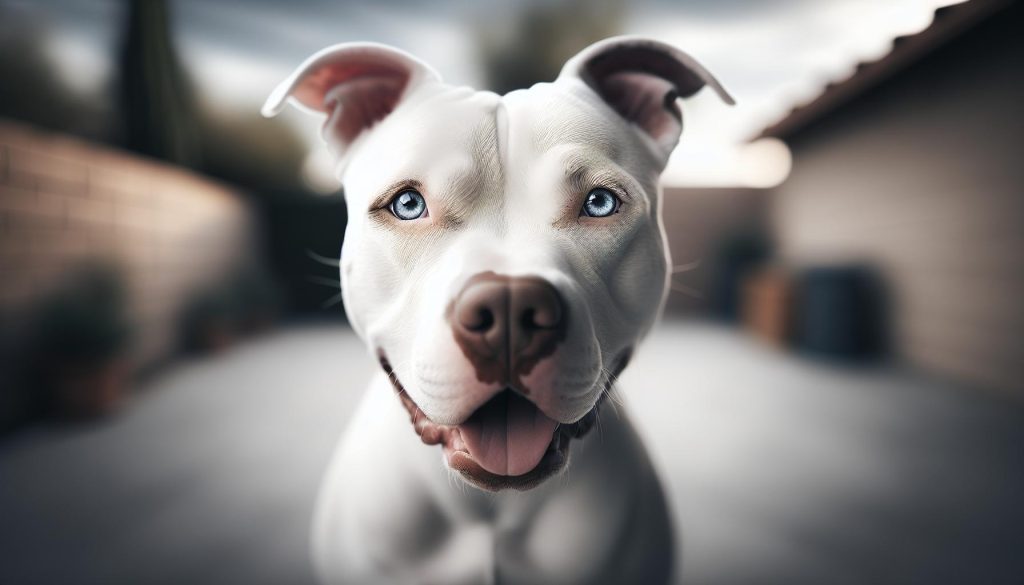
Did you know that white Pitbulls with striking blue eyes are not just a visual rarity but also a captivating topic among dog enthusiasts? These stunning dogs often spark curiosity and admiration, largely due to their unique appearance and the misconceptions that surround the breed. As a loving owner or aspiring adopter, understanding the genetics, health, and care relevant to these beautiful animals is crucial. Not only will you learn more about their special characteristics, but you’ll also equip yourself with essential knowledge for responsible ownership. This article will delve into the fascinating world of white Pitbulls with blue eyes, exploring their origins, temperament, and tips for ensuring they thrive in your home. Join us on this journey to appreciate these remarkable pets and learn how to support their health and happiness!
Understanding the Unique Traits of White Pitbulls
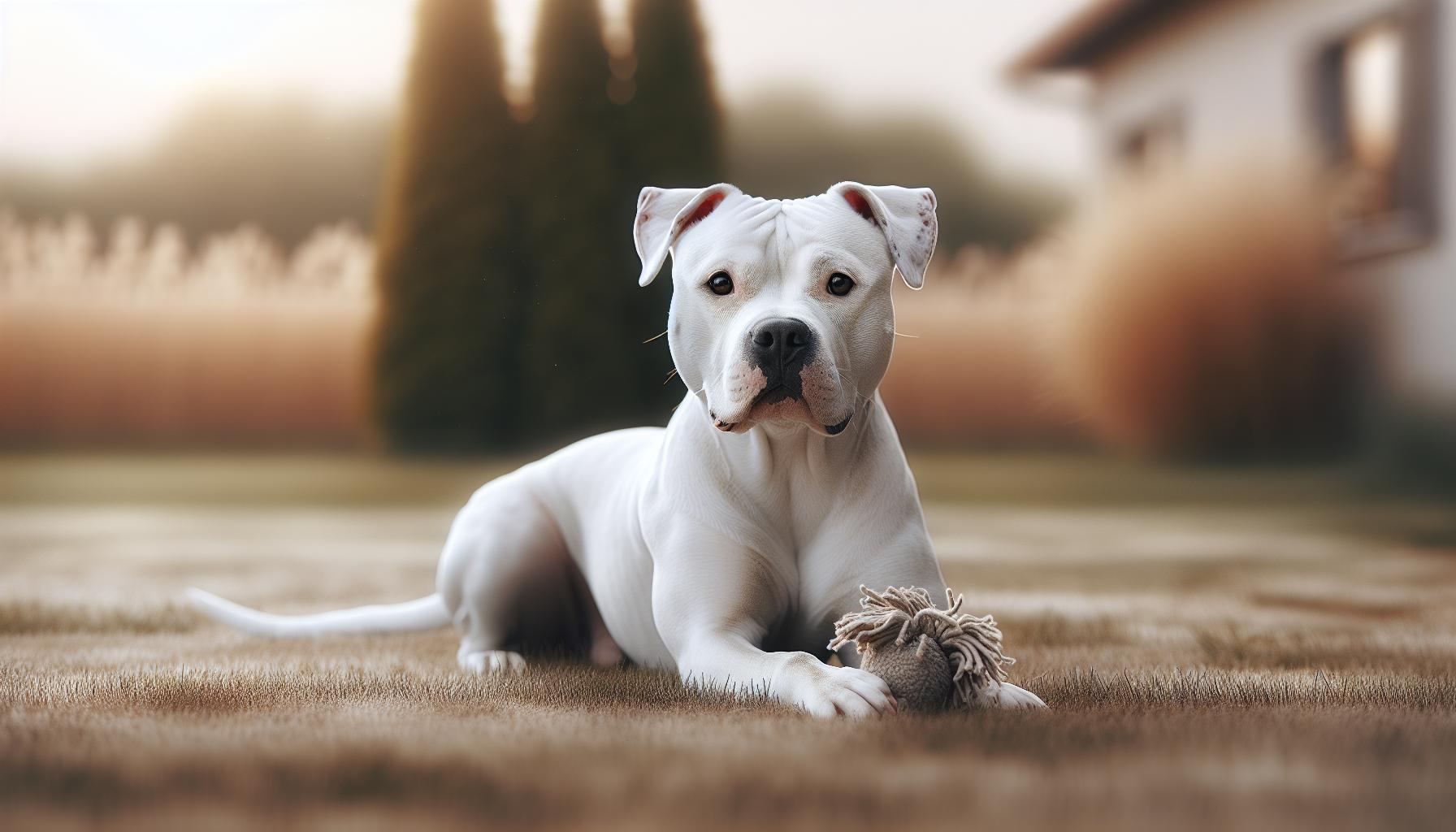
What sets white Pitbulls apart is not only their striking appearance but also their unique traits that contribute to their charm and appeal. These dogs are often characterized by their distinctive white coat, which can be a canvas for their vibrant personality. Despite common misconceptions, the white coat does not affect their temperament; like all Pitbulls, they are known for being loyal, energetic, and affectionate companions. They tend to be social dogs, thriving on interaction and family activities, making them great pets for those who lead active lifestyles.
While white Pitbulls are visually captivating, they may also be subject to specific health considerations. The lack of pigmentation in their skin can lead to heightened sensitivity to sunlight, increasing the risk of skin issues like sunburn and, in some cases, skin cancer. Therefore, providing shade and sunscreen specifically designed for dogs when they spend time outdoors is crucial for their well-being. Regular veterinary check-ups can help keep an eye on their skin and overall health, ensuring they lead long and happy lives.
In terms of training and socialization, white Pitbulls require consistent and positive reinforcement methods. They are intelligent and eager to please, which often translates into successful training experiences. Early socialization is important to help them develop into well-rounded adults; introducing them to various environments, people, and animals can enhance their confidence and adaptability. With the right guidance, they can easily learn commands and tricks, thriving on mental stimulation and physical exercise.
Finally, it’s essential to highlight the responsibility that comes with owning a white Pitbull. Providing them with the care they need while celebrating their unique traits is key to fostering a strong bond. Engage them with plenty of playtime and affection, and always be mindful of their individual needs, especially regarding health and social interactions. By understanding and appreciating what makes white Pitbulls special, you can ensure that your furry friend enjoys a happy, fulfilling life.
Genetics Behind Blue Eyes in Pitbulls
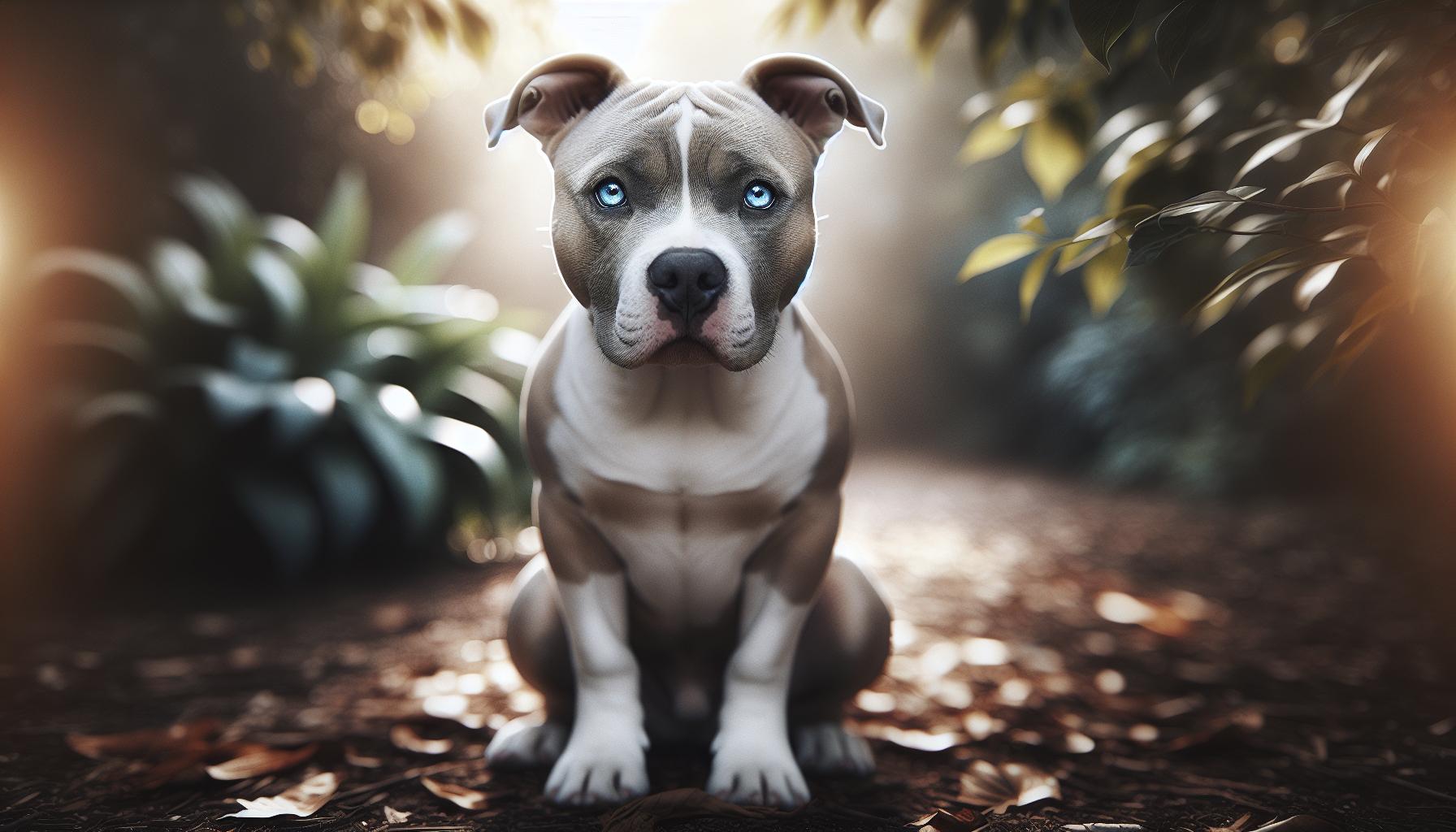
Blue eyes in Pitbulls are an enchanting trait that captures the hearts of many dog lovers. This striking feature is largely due to genetic variations and pigmentation patterns, making blue-eyed white Pitbulls not just visually stunning but also a unique rarity within the breed. The genetics behind eye color in dogs can be complex, primarily influenced by several genes, including the well-known merle gene. In Pitbulls, the presence of this gene can result in lighter eye colors, including blue, particularly when combined with the breed’s white coat.
While blue eyes are often associated with the merle pattern, they can also appear in solid-colored Pitbulls. This phenomenon usually occurs due to the dilution of pigmentation, which happens when there is a lack of melanin in the iris. In the case of white Pitbulls, their lack of pigmentation can lead to this beautiful blue hue. Importantly, blue eyes do not indicate any inherent health problems in Pitbulls; they continue to be just as healthy as their counterparts with darker eyes. However, it’s worth noting that these dogs may be more susceptible to certain conditions related to their coat and skin, such as sunburn or other related issues due to their lighter pigmentation.
When considering adoption of a white Pitbull with blue eyes, it’s essential to remember that these dogs, while undeniably attractive, should also be valued for their personality traits. They are loyal, intelligent, and make affectionate companions. Ensuring they are well-socialized and receive consistent training will help them flourish as beloved members of your family. So, whether you are charmed by their looks or their character, embracing the singular beauty of blue-eyed white Pitbulls will lead to a rewarding companionship.
Overall, if you find yourself captivated by the striking appearance of a blue-eyed Pitbull, remember that their beauty is matched by the joy and love they can bring into your life. These dogs thrive on interaction and connection, making them wonderful companions for those willing to invest the time and effort into their care and development.
Health Concerns for White Pitbull Dogs
White Pitbulls, especially those with striking blue eyes, draw significant attention not only for their beauty but also for their unique health considerations. Understanding these concerns is vital for anyone considering adopting one of these captivating dogs.
One of the primary health issues that white Pitbulls may face is related to their coat color and pigmentation. Dogs with a predominantly white coat tend to have less melanin, which can lead to hypersensitivity to sunlight. This makes them more prone to skin conditions, including sunburn and even skin cancer. To keep your white Pitbull safe, it’s crucial to limit sun exposure during peak hours and consider applying pet-safe sunscreen to vulnerable areas like the nose and ears when they must be outside.
Another concern tied to genetics is the potential for hearing impairment. While not all white Pitbulls are affected, the genetics that create their beautiful blue eyes can sometimes be linked to deafness. It’s advisable to have your Pitbull’s hearing checked, especially if you notice any signs of hearing loss, such as being unresponsive to commands or sounds. Early detection can lead to more effective training methods and accommodations.
Moreover, like all Pitbulls, they may be prone to certain breed-related conditions, including hip dysplasia and certain heart diseases. Regular vet check-ups, proper diet, and exercise are key to ensuring your white Pitbull remains healthy throughout their life. A balanced diet rich in nutrients supports their muscle structure, while regular physical activity can help maintain an ideal weight, reducing the risk of joint issues.
In summary, while the allure of adopting a white Pitbull with blue eyes is significant, potential owners should be aware of specific health concerns. Proactive care, regular veterinary visits, and a responsible approach to exercise and sun exposure will help ensure your furry friend leads a happy and healthy life.
Training Tips for Your White Pitbull
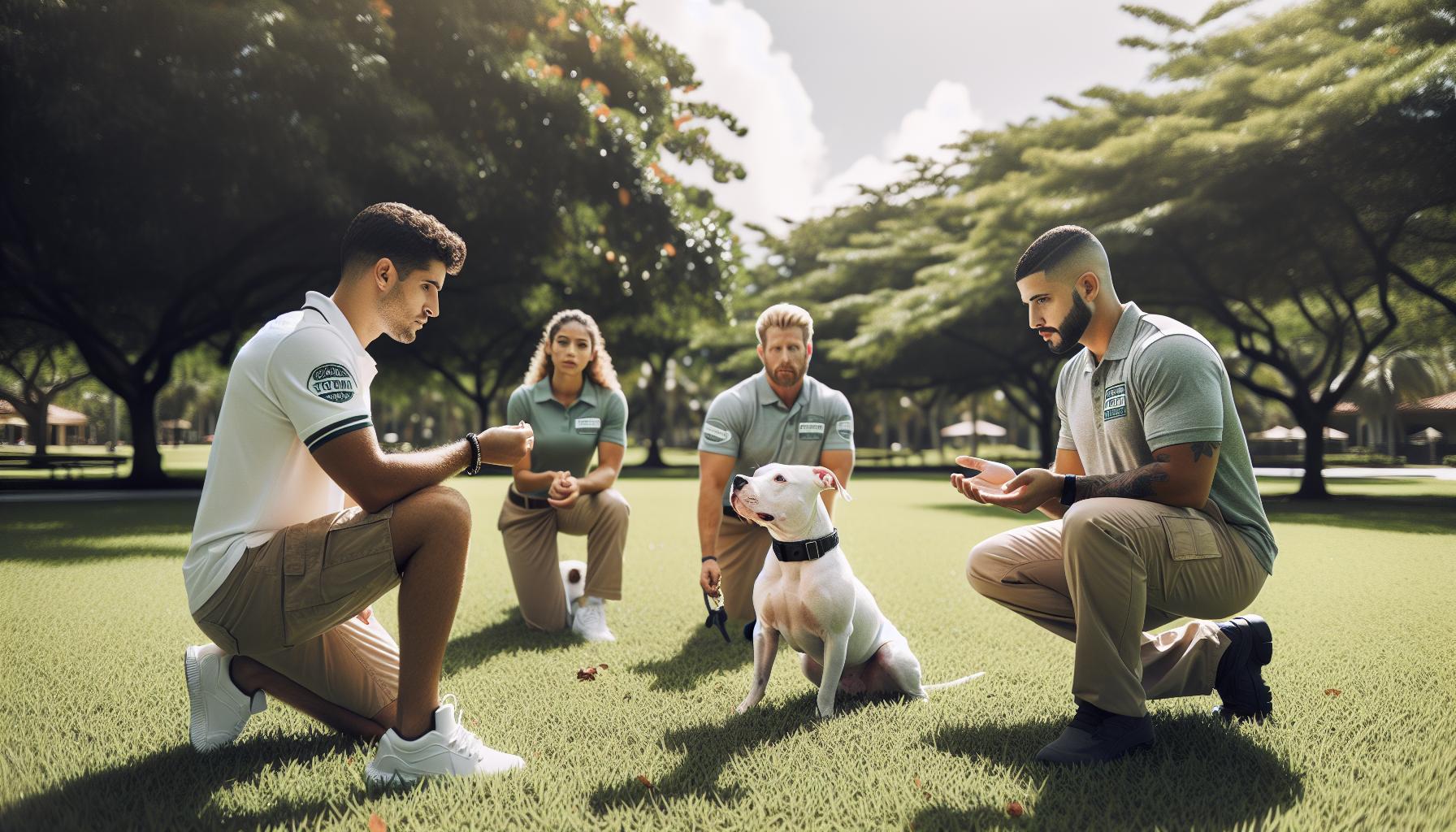
Training a white Pitbull, particularly one with those striking blue eyes, can be an incredibly rewarding experience. These dogs are known for their intelligence and eagerness to please, making them highly trainable companions. However, effective training requires patience, consistency, and an understanding of the unique traits associated with the breed.
One of the key aspects of training your white Pitbull is utilizing positive reinforcement methods. Dogs respond best to rewards rather than punishment, so focus on offering treats, praise, and playtime as incentives. Start with basic commands such as “sit,” “stay,” and “come,” and practice these in a distraction-free environment. As your pup masters these commands, gradually introduce more challenging tasks, like tricks or agility exercises, to keep their mind engaged.
Socialization is also crucial for a well-rounded Pitbull. Expose your dog to various environments, people, and other animals from a young age. Enroll in puppy training classes or organize playdates with other dogs to develop their social skills. This not only helps reduce any potential behavioral issues but also builds their confidence in different settings. Consistent socialization is particularly important for a white Pitbull, as they may have different reactions to stimuli compared to more traditionally colored breeds.
It’s essential to establish a routine that incorporates both physical and mental stimulation. White Pitbulls typically have high energy levels, so activities like daily walks, fetch, or puzzle toys will keep them physically fit and mentally sharp. Additionally, incorporating training sessions into playtime can reinforce learning while strengthening your bond. Remember to keep training sessions short and fun, using a mix of commands and play to maintain interest.
Moreover, be mindful of your Pitbull’s health and well-being, especially regarding their unique coat color. Proper training can help mitigate any potential health concerns they face, such as hearing sensitivity linked to their blue eyes. Always observe your dog’s reactions and adjust training methods accordingly, ensuring they feel comfortable and secure. With dedication and love, your white Pitbull can become a well-trained, happy companion who dazzles everyone with both their beauty and talent.
Grooming Requirements for White Pitbulls
Taking care of a white Pitbull, especially one with striking blue eyes, involves paying special attention to their grooming needs. Not only does proper grooming keep your dog looking their best, but it also helps monitor their health and maintain a clean, comfortable environment.
One of the primary grooming tasks for your white Pitbull is brushing. Despite their short coat, white Pitbulls can shed, and brushing them at least once a week helps remove loose hair, dirt, and dander. A slicker brush or bristle brush is effective for this purpose. Additionally, regular brushing promotes skin health by distributing natural oils, which is especially important for white coats that may show discoloration more easily.
Bathing should be done as needed, typically every 4 to 6 weeks, or more frequently if your dog enjoys outdoor adventures and gets particularly dirty. Use a gentle, hypoallergenic dog shampoo to avoid irritating their skin. After bathing, take time to thoroughly dry your Pitbull, as dampness can lead to skin issues. Pay special attention to cleaning around the eyes and ears, as white Pitbulls can be prone to tear staining and ear infections. A gentle wipe with a damp cloth can help keep these areas clean.
Moreover, maintaining your Pitbull’s nails is crucial for their overall health. Check their nails regularly-ideally every few weeks-and trim them when necessary. If you can hear their nails clicking on the floor, it’s time for a trim. Keeping nails short helps prevent discomfort and potential injury.
Regular dental care is another essential aspect of grooming your white Pitbull. Aim to brush their teeth several times a week using toothpaste formulated specifically for dogs. This practice not only helps prevent dental diseases but also keeps their breath fresh and healthy.
In conclusion, grooming your white Pitbull isn’t just about aesthetics-it’s a holistic approach to health and well-being. By incorporating regular brushing, bathing, nail trimming, and dental care into your routine, you’ll ensure that your beloved companion looks and feels their best, ready to share their unique beauty and charming personality with the world.
Socialization Needs of Blue-Eyed Pitbulls
Blue-eyed Pitbulls are not only visually striking but also require thoughtful socialization to become well-rounded companions. Socialization is crucial for any dog but holds particular significance for breeds that often face misperceptions like the Pitbull. Early exposure to various environments, people, and other animals can mitigate potential behavioral issues and promote confidence in your pet.
Engaging your blue-eyed Pitbull in regular socialization exposes them to different stimuli and helps them learn how to react appropriately. Consider setting up playdates with other dogs or visiting dog-friendly parks where your pup can interact with a variety of breeds and temperaments. This exposure allows them to develop essential social skills and reduces the chances of fear-based reactions to new experiences. Regular training classes can also benefit your Pitbull, providing a structured environment for social interaction while reinforcing vital obedience skills.
In addition to interactions with other dogs, ensure your white Pitbull meets a diverse mix of people. This includes introducing them to men, women, children, and individuals in various clothing styles or carrying unusual objects. By doing so, your dog will learn that not everyone they encounter poses a threat, which can significantly lessen anxiety and fear. Don’t forget to reward your Pitbull with treats and praise for positive interactions, reinforcing good behavior and creating a positive association with new experiences.
It’s important to recognize that socialization is an ongoing process. Continue to introduce your Pitbull to new experiences throughout their life, ensuring they remain adaptable and well-adjusted. Regular outings to new locations, like pet-friendly stores or outdoor events, can keep your blue-eyed companion engaged and happy. Remember, a well-socialized Pitbull is not only a joy to be around but also a great ambassador for the breed, helping to change perceptions and promote responsible ownership.
Adopting a White Pitbull: What to Know
Adopting a white Pitbull, especially one with striking blue eyes, can be a rewarding experience that brings joy and companionship into your life. However, before welcoming one of these beautiful dogs into your home, it’s essential to understand their unique requirements and characteristics. These dogs are not only visually appealing; they also require a commitment to proper care, training, and socialization to thrive.
When considering adoption, start by researching reputable breeders or rescue organizations that provide transparent histories of their dogs. This ensures that the dog has been well cared for and has a good temperament. Be prepared to ask questions about the dog’s medical history, genetic background, and any previous training. Because white Pitbulls can be prone to certain health concerns, such as skin conditions and hearing issues, verifying their health background is crucial.
Once you’ve found the right companion, focus on creating a structured environment. Establishing a routine for feeding, exercise, and training helps your white Pitbull feel secure and knows what to expect. These dogs benefit from regular physical activity and mental stimulation. Incorporate obedience training sessions and fun activities like agility runs or interactive play to keep them engaged and well-behaved.
Socialization should be a priority from the moment you bring your white Pitbull home. Introduce them to a variety of people, pets, and environments early on. This not only helps in building confidence but also combats the negative stereotypes often associated with the breed. Remember, adopting a dog is a long-term commitment, requiring patience, love, and education to foster a positive relationship that celebrates the unique attributes of your white Pitbull.
Myths vs. Facts About Pitbulls
Many misconceptions surround Pitbulls, leading to misunderstandings about their behavior and suitability as pets. One common myth is that all Pitbulls are aggressive and dangerous. In reality, aggression is not a breed characteristic but rather a result of individual dog temperament, upbringing, and training. Like any breed, a Pitbull raised in a nurturing environment with proper socialization and training can be a loving and well-behaved family member. Moreover, numerous studies and expert organizations emphasize that breed alone doesn’t determine a dog’s behavior; responsible ownership is key.
Another prevalent myth is that white Pitbulls, especially those with blue eyes, are more prone to health issues than other color variants. While it’s true that certain genetic factors can lead to health concerns, many white Pitbulls are healthy and vibrant when responsibly bred. Factors such as poor breeding practices and lack of health checks contribute more significantly to issues like skin conditions or hearing problems. Thus, focusing on finding a reputable breeder or rescue organization is crucial, regardless of the color or eye type.
Furthermore, many people believe that Pitbulls are inherently reckless and need a rough training style. In contrast, positive reinforcement methods yield much better results for this breed. These dogs are intelligent and eager to please, thriving on reward-based training that nurtures their potential rather than instilling fear. When handled with kindness and respect, white Pitbulls can excel in obedience and agility training, showcasing their capabilities and intelligence.
In summary, separating myths from facts about Pitbulls can help potential adopters understand the breed better. Fostering educated choices about training, health, and behavior not only supports responsible ownership but also helps shift public perception of these beautiful dogs. Embracing a white Pitbull with blue eyes into your family can be a rewarding experience, filled with companionship and joy, when approached with love and understanding.
Famous White Pitbulls in Pop Culture
The allure of white Pitbulls, especially those with striking blue eyes, is undeniable, and this unique combination has captured the imagination of many in popular culture. These dogs not only charm with their beauty but also exhibit loyalty, intelligence, and the potential for affectionate companionship. Across various media, white Pitbulls have been celebrated, often shattering the negative stereotypes associated with the breed. One notable example is the famous movie The Secret Life of Pets, in which a white Pitbull named Max demonstrates courage and heart, providing a narrative that challenges common misconceptions.
In the world of music, the hip-hop genre has also embraced this unique breed. The rapper Pitbull, although more metaphorically connected with the breed than a direct representation, often embodies the tenacity and marketability associated with Pitbulls. His brand’s association with strength and resilience resonates with the loyal and energetic characteristics of the breed, further celebrating its positive attributes.
Moreover, social media platforms have played a significant role in promoting white Pitbulls as beloved pets. Videos and images shared by owners showcasing their blue-eyed companions engaging in playful activities or exhibiting sheer affection contribute to a growing appreciation for these dogs. This shift towards positivity not only encourages responsible ownership but also fosters a sense of community among Pitbull lovers.
As you enjoy the beauty and charm of white Pitbulls, remember that their presence in pop culture often reflects a rich narrative of triumph over prejudice. By sharing and celebrating stories of these dogs, you can help shift perceptions, taking part in the movement to highlight the kindness, loyalty, and unique qualities that make them excellent companions.
Comparing White Pitbulls to Other Variants
While white Pitbulls with blue eyes stand out due to their striking appearance, it’s essential to understand how they compare to other variants within the breed. Each Pitbull variant has its unique characteristics, temperament, and appearance that contribute to the rich tapestry of this breed.
White Pitbulls are often seen as rare gems among the breed, primarily due to their distinct coat color and eye color, which can be attributed to specific genetic traits. In contrast, traditional colors like brindle, fawn, and black offer different aesthetics and might not capture the same level of attention as their white counterparts. Nevertheless, these color variations often showcase diverse patterns and markings that can be equally stunning. For instance, a traditional brindle Pitbull may exhibit beautiful stripes that reflect light uniquely, showcasing resilience and grace.
In terms of temperament, while there is a stereotype regarding the demeanor of all Pitbulls, it’s crucial to recognize that individual personalities can vary significantly regardless of coat color. White Pitbulls often inherit the same loyalty, intelligence, and playfulness that other colors do. However, some owners report that their white Pitbulls display a calmer demeanor, perhaps due to the higher prevalence of certain genes associated with this color variant.
When it comes to health, it’s important to note that white Pitbulls might be predisposed to specific genetic concerns, such as deafness, more frequently than those of darker colors. The lack of pigment in their coats and skin can increase their sensitivity to sunlight, necessitating careful sun exposure management to avoid skin issues. In contrast, darker variants may show a hardiness against sun-related issues but can have distinct health concerns based on their lineage, underscoring the need for comprehensive health screenings regardless of color.
To summarize, whether you’re considering a white Pitbull or another color variant, understanding the nuances between them can significantly impact your decision as a prospective owner. Each color offers a unique combination of beauty, personality, and potential health needs. Backyard breeders can often overlook these factors, but responsible ownership and knowledge about the breed are essential for any potential Pitbull enthusiast.
Responsible Ownership: Caring for Your Pitbull
Caring for a Pitbull, especially a striking white one with blue eyes, requires a blend of understanding their unique needs and providing a nurturing environment that thrives on love and discipline. These beautiful dogs are more than just a pretty face; they need strong leadership and responsible ownership to flourish in family settings. A key aspect of this is recognizing the specific traits associated with their coloration, such as potential sensitivities to sunlight and increased risk of certain genetic issues.
One of the first steps in responsible ownership is investing in proper healthcare. Regular vet check-ups are crucial, as white Pitbulls can be more susceptible to health concerns like skin issues or deafness due to their genetics. You should monitor their skin for any signs of irritation, rashes, or excessive sensitivity to sunlight. To protect them during outdoor playtime, especially in sunny weather, consider providing shaded areas and applying pet-safe sunscreen to sensitive areas that are prone to sunburn.
Training and socialization also play an essential role in the well-being of your Pitbull. Start with basic obedience training, using reward-based methods to foster a bond built on trust and respect. Socializing your pup early with various people, environments, and situations can help mitigate any anxiety or behavioral issues later in life. A well-socialized Pitbull, regardless of color, typically displays balanced behavior and confidence.
Lastly, don’t underestimate the importance of physical and mental stimulation. Engage your Pitbull with daily exercises that challenge both their physical capabilities and intellect. Activities such as agility training, interactive toys, and puzzle games can keep them mentally sharp and fulfilled. Remember that a tired dog is a happy dog; setting aside time for play helps channel their energy productively and strengthens your bond with them. By committing to these essential aspects of care, you not only enhance your Pitbull’s quality of life but also pave the way for a rewarding companionship that celebrates their unique beauty and personality.
The Rarity and Value of White Pitbulls
The allure of white Pitbulls, especially those with striking blue eyes, captivates dog lovers and prospective owners alike. This unique coloration results from a rare genetic combination, making them one of the most sought-after variants in the breed. Their stunning appearance doesn’t just turn heads; it often comes with a higher price tag and can lead to misconceptions about their temperament and health. Understanding the rarity and value of these exquisite dogs requires a look at both their genetics and the factors influencing their market demand.
One reason white Pitbulls are considered rare is that the genetic mutations that produce their coat color are not widespread. The primary gene responsible for their pigmentation-often linked to a white coat-can also increase the likelihood of certain health issues, including skin sensitivities and deafness. This genetic predisposition can create challenges, hence the combination of this rarity and associated health considerations influences their market value. A white Pitbull with blue eyes can be priced well above the average for the breed, sometimes ranging from $1,500 to over $5,000, depending on the breeder, lineage, and health screening practices.
Moreover, the value of these dogs often transcends financial considerations. Owning a white Pitbull can lead dog enthusiasts to form deeper connections with communities invested in breed advocacy and responsible ownership. White Pitbulls can challenge the negative stereotypes commonly associated with the breed, showcasing their affectionate nature and intelligence. It’s crucial for potential owners to approach adoption or purchase with a commitment to responsible practices: engage with breeders who prioritize health testing and ethical breeding to ensure the wellbeing of these remarkable dogs.
In addition to health and genetic factors, cultural representations in media and pop culture have further elevated the appeal and perceived value of white Pitbulls. From film characters that embody loyalty and strength to social media sensations that spotlight the breed’s charm, these influences contribute to the cultural zeitgeist surrounding white Pitbulls. Embracing their rarity can lead to rewarding experiences, but it’s essential to prioritize comprehensive care, love, and a commitment to their development as cherished family members.
Faq
Q: What makes a White Pitbull with blue eyes so rare?
A: A White Pitbull with blue eyes is rare due to the specific genetic combinations required for both the white coat and blue eye color. The blue eyes are often linked to a genetic dilution of color and can indicate certain health issues, making these dogs unique and sought after.
Q: Are White Pitbulls with blue eyes more prone to health issues?
A: Yes, White Pitbulls with blue eyes can be more susceptible to certain health issues, including hearing problems and skin sensitivities. It’s essential to conduct regular vet check-ups and ensure they receive proper care to minimize potential health risks.
Q: How can I train a White Pitbull with blue eyes effectively?
A: To train a White Pitbull with blue eyes, use positive reinforcement techniques. Be consistent, patient, and start with basic commands. Engaging their intelligence through interactive play can also enhance their learning experience, making training enjoyable.
Q: What should I feed my White Pitbull to maintain a healthy coat?
A: Feed your White Pitbull a high-quality dog food rich in omega fatty acids to promote a healthy coat. Look for ingredients like fish oil or flaxseed. Regularly check for allergies, as some White Pitbulls may have sensitivities.
Q: Can I adopt a White Pitbull with blue eyes from a shelter?
A: Yes, adopting a White Pitbull with blue eyes from a shelter is possible. Many shelters are dedicated to finding homes for all breeds. Be sure to verify their health history and socialization needs to ensure a good match for your lifestyle.
Q: Do White Pitbulls with blue eyes require special grooming?
A: White Pitbulls with blue eyes do not require extensive grooming, but regular brushing helps to remove loose fur and dirt. Additionally, keep their ears and skin clean to prevent infections, especially in areas with less pigmentation.
Q: What are common misconceptions about White Pitbulls with blue eyes?
A: A common misconception is that White Pitbulls with blue eyes are inherently aggressive. In reality, their temperament relies on training and socialization. Educating others about this breed helps combat stereotypes and promotes responsible ownership.
Q: How do White Pitbulls with blue eyes compare to other color variants?
A: White Pitbulls with blue eyes often have a distinct appeal due to their striking appearance. While they may share similar physical traits with other color variants, their eye color and notable rarity make them particularly unique. Comparisons should focus on genetic health factors and personality traits across variants.
Final Thoughts
As you delve into the fascinating world of the White Pitbull with blue eyes, remember that this striking rarity is not just a visual marvel but a testament to the breed’s versatility, intelligence, and immense loyalty. If you’re considering welcoming one of these beautiful dogs into your home, don’t wait-connect with local breeders or rescue organizations to find the perfect companion for your family.
For even more insights, check out our articles on Pitbull health and care and training tips for your new pup. Your journey as a responsible dog owner starts here, so explore our resources to ensure a fulfilling experience with your future furry friend.
Share your thoughts or experiences below, and be sure to join our newsletter for ongoing tips and community stories celebrating the incredible Pitbull breed. Let’s keep the conversation going and embrace the joy these loyal companions bring to our lives!